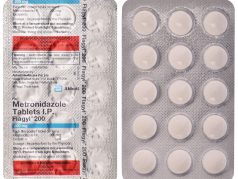
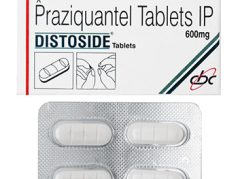
Parasitic infections occur when harmful organisms invade and live within the human body, drawing nutrients from their host and potentially causing significant health complications. These microscopic invaders can affect various body systems, leading to symptoms ranging from mild discomfort to serious medical conditions if left untreated.
Australia's diverse climate and environment provide ideal conditions for several types of parasites that commonly affect humans. The most frequently encountered parasites include:
Antiparasitic medications are specifically designed to target and eliminate parasites through various mechanisms. These treatments work by disrupting the parasite's ability to absorb nutrients, interfering with their reproductive cycle, or directly damaging their cellular structure. The effectiveness of treatment depends on selecting the appropriate medication for the specific type of parasite and following the prescribed dosage regimen carefully.
Accurate diagnosis is crucial before beginning any antiparasitic treatment, as different parasites require specific medications and treatment approaches. Healthcare professionals can perform appropriate tests, such as stool samples or skin scrapings, to identify the exact type of parasite present. It's essential to consult a doctor or pharmacist when experiencing persistent symptoms such as unexplained digestive issues, skin irritation, or suspected parasitic infection, particularly after travel or exposure to contaminated environments.
Intestinal worm infections are among the most common parasitic conditions affecting Australians, particularly children. These infections can cause symptoms including abdominal pain, nausea, changes in appetite, and visible worms in stool or around the anal area.
Several species of intestinal worms are frequently encountered in Australian communities. Roundworms are large parasites that can grow up to 30 centimetres long and cause nutritional deficiencies. Pinworms, also known as threadworms, are small white worms that cause intense anal itching, especially at night. Hookworms attach to the intestinal wall and can cause anaemia due to blood loss, whilst whipworms inhabit the large intestine and may cause chronic digestive symptoms.
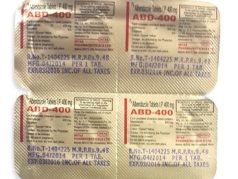
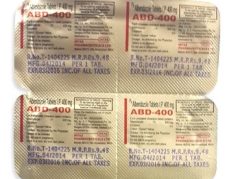
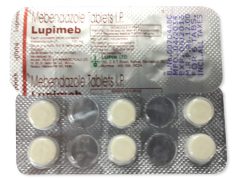
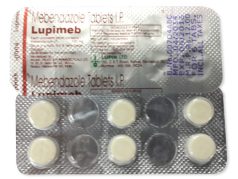
Several effective antiparasitic medications are available in Australia for treating intestinal worm infections. Mebendazole, commonly known by the brand name Combantrin, is a broad-spectrum treatment effective against multiple worm species. Pyrantel pamoate, available as Early Bird and other formulations, works by paralysing worms so they can be naturally eliminated from the body. Albendazole is another powerful option that prevents worms from absorbing glucose, ultimately leading to their death.
Dosage guidelines vary depending on the specific medication, patient age, and type of worm infection. Adult treatments typically involve a single dose or short course of medication, whilst children's doses are carefully calculated based on body weight. Treatment duration usually ranges from one to three days, with some infections requiring a repeat dose after two weeks to eliminate any newly hatched parasites.
Follow-up care is essential to ensure complete elimination of the infection. This may include repeat stool testing after treatment completion and monitoring for symptom resolution. Family members and close contacts often require simultaneous treatment to prevent reinfection, particularly with highly contagious parasites like pinworms.
Preventing reinfection requires implementing comprehensive hygiene measures and environmental controls. Regular handwashing with soap and warm water, particularly before meals and after using the toilet, significantly reduces transmission risk. Maintaining short, clean fingernails, washing bedding and clothing in hot water, and thorough cleaning of bathroom facilities help eliminate parasite eggs from the environment. Additionally, avoiding walking barefoot in potentially contaminated areas and ensuring proper food hygiene practices provide ongoing protection against intestinal worm infections.
Head lice infestations remain a common concern in Australian schools and childcare centres, affecting children aged 3-11 years most frequently. These parasites spread through direct head-to-head contact and are not related to poor hygiene. Australian health authorities recognise head lice as a community health issue requiring coordinated treatment approaches across families and educational settings.
Several effective topical treatments are readily available through Australian pharmacies:
Wet combing with specialised metal-toothed combs remains an essential component of head lice treatment in Australia. This method involves applying conditioner to damp hair and systematically combing from roots to tips. Quality lice combs with fine teeth spacing of 0.2-0.3mm are most effective for removing both live lice and nits.
Australian health guidelines recommend treating all household members simultaneously when head lice are detected. Treatment should be repeated after 7-10 days to target newly hatched lice. Close contacts including sleepovers friends, family members sharing beds, and intimate contacts should be checked and treated if live lice are found.
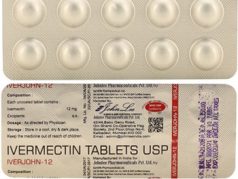
Increasing resistance to traditional permethrin treatments has been documented across Australia. When first-line treatments fail, alternatives include malathion-based products, oral ivermectin (prescription only), or physical action treatments. Rotating between different treatment mechanisms helps prevent resistance development.
Australian schools typically require notification of head lice cases and may have specific return-to-school policies. Most educational institutions follow a "no live lice" policy, allowing children to return once treatment has commenced and no live, moving lice are present. Some schools may require evidence of treatment before re-entry.
Scabies affects thousands of Australians annually, with higher prevalence in Indigenous communities, aged care facilities, and crowded living conditions. The Sarcoptes scabiei mite burrows into skin, causing intense itching that worsens at night. Transmission occurs through prolonged skin-to-skin contact, making household and intimate contacts particularly vulnerable.
Several prescription treatments are available through Australian healthcare providers:
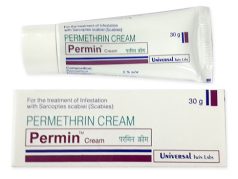
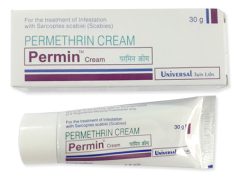
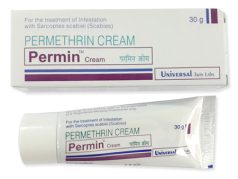
Proper application of topical scabies treatments is crucial for effectiveness. Permethrin cream should be applied to clean, dry skin covering the entire body from the neck down, including between fingers, under nails, and on soles of feet. The treatment must remain on skin for 8-14 hours before washing off. Special attention should be paid to skin folds, wrists, and genital areas where mites commonly burrow.
Successful scabies treatment requires comprehensive household management. Clothing, bedding, and towels used within 72 hours before treatment should be washed in hot water (60°C minimum) and dried on high heat. Items that cannot be washed should be sealed in plastic bags for at least 72 hours. Vacuum cleaning of carpets and upholstery helps remove any fallen skin scales.
Australian health authorities recommend treating all household members and intimate contacts simultaneously, regardless of symptoms. Sexual partners and anyone sharing beds should receive treatment. In institutional settings such as aged care facilities, coordinated treatment of residents and staff may be necessary to prevent reinfection cycles.
Persistent scratching often leads to secondary bacterial skin infections requiring additional treatment. Topical antiseptics, antibiotic creams, or oral antibiotics may be necessary depending on infection severity. Patients should be advised that itching may persist for 2-4 weeks after successful mite eradication due to ongoing allergic reactions to dead mites and their waste products.
Antiparasitic medications are generally well-tolerated, but understanding potential side effects and safety considerations is crucial for safe use. Common side effects may include nausea, vomiting, diarrhoea, abdominal pain, headache, and dizziness. Some medications may cause temporary neurological symptoms such as confusion or coordination difficulties.
Antiparasitic medications can interact with other medicines, particularly blood thinners, seizure medications, and certain antibiotics. Always inform your pharmacist or doctor about all medications you're taking. Pregnant and breastfeeding women require special consideration, as some antiparasitic drugs may not be suitable during these periods. Your healthcare provider will weigh the benefits against potential risks.
Children require carefully calculated dosing based on weight and age. Never adjust paediatric doses without professional guidance. Seek immediate medical attention if you experience severe allergic reactions, persistent vomiting, severe abdominal pain, or neurological symptoms. Store medications in a cool, dry place away from children, and dispose of unused medications through pharmacy return programmes or follow local disposal guidelines.
Prevention remains the most effective strategy against parasitic infections. Implementing comprehensive hygiene practices and public health measures significantly reduces transmission risks in Australian communities.
Maintain excellent hand hygiene, especially after using the toilet, before eating, and after handling animals. When travelling overseas, particularly to tropical or developing regions, take extra precautions with food and water safety. Drink bottled or properly treated water, avoid raw or undercooked foods, and consider prophylactic medications when recommended.
Regular health screenings, particularly for at-risk populations, help identify infections early. Supporting immune system health through proper nutrition, adequate sleep, and stress management enhances natural resistance to parasitic infections.