Cholesterol is a waxy, fat-like substance found naturally in your blood and cells. While your body needs cholesterol to build healthy cells and produce hormones, too much can create serious health risks for Australians. Understanding cholesterol levels is crucial for maintaining cardiovascular health and preventing heart disease, which remains one of the leading causes of death in Australia.
Not all cholesterol is created equal. Low-density lipoprotein (LDL) is often called "bad" cholesterol because it can build up in artery walls, creating blockages. High-density lipoprotein (HDL) is known as "good" cholesterol as it helps transport excess cholesterol back to the liver for disposal.
High cholesterol affects approximately 6.8 million Australians, with many unaware of their condition. Risk factors include poor diet, lack of physical activity, smoking, obesity, and genetic predisposition. Consequences can include heart attack, stroke, and peripheral artery disease.
Adults should have cholesterol levels tested every five years from age 45, or from age 35 for Aboriginal and Torres Strait Islander peoples. Those with existing risk factors may require more frequent monitoring.
Australia offers various cholesterol-lowering medications through the Pharmaceutical Benefits Scheme (PBS), making treatment more accessible and affordable for patients. Understanding the different medication types helps ensure optimal treatment outcomes.
Statins remain the most widely prescribed cholesterol medications in Australia, including atorvastatin, simvastatin, and rosuvastatin. These medications work by blocking the enzyme responsible for cholesterol production in the liver, effectively reducing LDL levels by 25-50%.
Australian pharmacies stock a comprehensive range of cholesterol-lowering medications to help patients manage their cardiovascular health effectively. These medications are available through the Pharmaceutical Benefits Scheme (PBS), making them accessible and affordable for most Australians with a valid prescription from their GP or specialist.
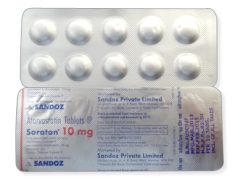
Atorvastatin remains one of the most prescribed cholesterol medications in Australia, available in multiple strengths ranging from 10mg to 80mg tablets. This powerful statin effectively reduces LDL cholesterol levels by up to 50% whilst also providing cardiovascular protection benefits. Patients typically start on a lower dose, with their doctor adjusting the strength based on cholesterol response and tolerance. Common considerations include potential muscle-related side effects and the importance of regular liver function monitoring.
Rosuvastatin is recognised for its potent cholesterol-lowering capabilities, often prescribed when other statins haven't achieved target cholesterol levels. Available in 5mg, 10mg, 20mg, and 40mg tablets, it's particularly effective at raising HDL (good) cholesterol whilst significantly reducing LDL levels. Australian prescribing guidelines recommend starting with the lowest effective dose, typically 5-10mg daily, taken at the same time each day regardless of meals.
As one of the longer-established statins available in Australian pharmacies, simvastatin offers a well-researched treatment option for cholesterol management. It's particularly suitable for patients who have successfully managed their cholesterol with this medication long-term. Available in strengths from 10mg to 80mg, simvastatin is best taken in the evening as cholesterol production peaks during night hours. This medication is often preferred for patients seeking a cost-effective PBS option with extensive clinical data supporting its use.
Pravastatin serves as an excellent choice for patients who have experienced side effects with other statins or those with specific health considerations. This medication is known for having fewer drug interactions and is often better tolerated by elderly patients or those taking multiple medications. Australian doctors frequently prescribe pravastatin for patients with diabetes or kidney concerns, as it has a favourable safety profile in these populations.
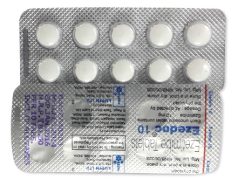
Ezetimibe offers a different approach to cholesterol management by blocking cholesterol absorption in the intestines rather than reducing cholesterol production. This makes it an valuable option for patients who cannot tolerate statins or need additional cholesterol lowering beyond what statins alone can achieve. In Australian practice, ezetimibe is commonly used in combination therapy, particularly with statins, to help patients reach their target cholesterol levels more effectively.
Australian patients benefit from having access to both generic and brand name cholesterol medications, with significant cost savings available through generic options. The Therapeutic Goods Administration (TGA) ensures all generic medications meet the same rigorous quality standards as their brand name counterparts. Key considerations when choosing between generic and brand options include:
Your pharmacist can provide detailed information about the specific cholesterol medications available and help you understand the most cost-effective options under your current PBS entitlements.
Cholesterol medication dosages vary significantly based on individual patient factors and the specific medication prescribed. Doctors typically begin treatment with the lowest effective dose, commonly starting with 20-40mg daily for statins like atorvastatin or rosuvastatin. The initial dosage depends on your baseline cholesterol levels, cardiovascular risk factors, and overall health status.
Regular blood tests are essential for monitoring treatment effectiveness, typically conducted 6-8 weeks after starting medication and then every 3-6 months. Your doctor will assess lipid levels and liver function to determine if dosage adjustments are necessary. Target cholesterol levels are individualised, with many Australian patients aiming for LDL cholesterol below 2.0 mmol/L, though high-risk patients may require lower targets.
Elderly patients often require special consideration, with doctors potentially prescribing lower starting doses and more frequent monitoring due to increased sensitivity to medications and potential interactions with other treatments.
Most cholesterol medications are well-tolerated, but some patients may experience mild side effects including headaches, digestive upset, or fatigue. These symptoms often diminish as your body adjusts to the medication. However, it's important to monitor for more serious reactions that require immediate medical attention.
Muscle pain, weakness, or cramping can occur with statin medications, affecting approximately 5-10% of patients. Contact your healthcare provider immediately if you experience unexplained muscle pain, particularly if accompanied by dark-coloured urine or excessive fatigue, as this may indicate a rare but serious condition called rhabdomyolysis.
Never stop taking cholesterol medication abruptly without consulting your healthcare provider, even if experiencing side effects. Alternative medications or dosage adjustments can often resolve issues while maintaining cardiovascular protection.
Combining cholesterol medication with lifestyle modifications significantly enhances treatment effectiveness. Following a heart-healthy diet rich in fruits, vegetables, whole grains, and lean proteins whilst limiting saturated fats can improve cholesterol levels by 10-15%. Regular physical activity, including 150 minutes of moderate exercise weekly, supports cardiovascular health and medication efficacy.
Some Australians explore natural supplements like plant sterols or omega-3 fatty acids. While these may provide modest cholesterol benefits, they shouldn't replace prescribed medications without medical supervision. The most effective approach combines medication adherence with sustainable lifestyle changes.
Working closely with your GP, pharmacist, and potentially a dietitian ensures optimal cholesterol management tailored to Australian healthcare guidelines. Regular monitoring and open communication about any concerns helps achieve long-term cardiovascular health goals whilst maintaining quality of life.