Antiviral medications are specialised pharmaceutical treatments designed to combat viral infections by targeting specific stages of the viral life cycle. Unlike antibiotics, which are effective against bacterial infections, antivirals work specifically against viruses and cannot treat bacterial conditions. These medications function through various mechanisms, including preventing viral entry into cells, blocking viral replication, or inhibiting the release of new viral particles from infected cells.
Antivirals are typically prescribed when viral infections pose significant health risks, cause severe symptoms, or affect vulnerable populations such as immunocompromised patients, elderly individuals, or those with chronic health conditions. Healthcare professionals in Australia may recommend antivirals for both treatment and prevention of certain viral infections.
The benefits of antiviral treatment include reduced symptom severity, shortened illness duration, and decreased risk of complications. However, antivirals have limitations - they're most effective when started early in the infection course, may not be suitable for all viral conditions, and can cause side effects. Additionally, some viruses can develop resistance to antiviral medications over time, making proper usage and medical supervision essential.
Antiviral medications are prescribed for various viral infections commonly encountered in Australian healthcare settings. These treatments target specific viruses and are most effective when administered under proper medical guidance.
The primary viral infections treated with antivirals include:
Treatment effectiveness varies depending on the specific virus, patient health status, and timing of medication initiation. Australian healthcare providers assess individual circumstances to determine the most appropriate antiviral therapy for each patient's condition.
Australia offers a comprehensive range of antiviral medications through the Therapeutic Goods Administration (TGA) approved formulary. These medications target different viral infections and work through various mechanisms to combat viral replication and spread.
Tamiflu (oseltamivir) and Relenza (zanamivir) are the primary neuraminidase inhibitors available for treating influenza A and B viruses. These medications are most effective when commenced within 48 hours of symptom onset and can reduce the duration and severity of flu symptoms.
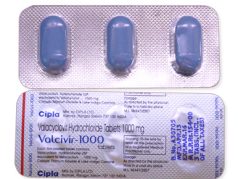
Aciclovir and valaciclovir are widely prescribed nucleoside analogues that treat herpes simplex virus (HSV) and varicella-zoster virus infections. Valaciclovir offers improved bioavailability and convenient dosing compared to aciclovir, making it a preferred choice for many patients.
Australian pharmacies stock various HIV antivirals including protease inhibitors, reverse transcriptase inhibitors, and entry/fusion inhibitors. Direct-acting antivirals for hepatitis C, such as sofosbuvir-based combinations, have revolutionised treatment outcomes with cure rates exceeding 95%.
Both brand name and generic versions of many antivirals are available locally, with generic options providing cost-effective alternatives whilst maintaining therapeutic equivalence. Your pharmacist can advise on suitable generic substitutions where appropriate.
In Australia, most effective antiviral medications require a prescription from a registered medical practitioner. The TGA maintains strict controls over antiviral access to ensure appropriate use and prevent resistance development.
All systemic antivirals, including those for influenza, herpes, HIV, and hepatitis, require valid prescriptions. Some topical antiviral preparations for cold sores may be available as pharmacist-only medicines, requiring consultation with a qualified pharmacist before dispensing.
Limited over-the-counter options include certain topical treatments for cold sores and immune-supporting supplements. However, these should not be considered substitutes for prescription antivirals when treating serious viral infections.
Many prescription antivirals are listed on the Pharmaceutical Benefits Scheme (PBS), significantly reducing patient costs. PBS authority approvals may be required for certain high-cost treatments, particularly HIV and hepatitis medications. Private prescription costs vary considerably, making PBS eligibility an important consideration for ongoing antiviral therapy.
Antiviral medications can cause various side effects depending on their class and mechanism of action. Nucleoside analogues, such as aciclovir and valaciclovir, commonly cause nausea, headache, and dizziness. Some patients may experience gastrointestinal upset including diarrhoea and abdominal pain. Neuraminidase inhibitors like oseltamivir may cause nausea, vomiting, and occasionally behavioural changes, particularly in children. Protease inhibitors can lead to gastrointestinal symptoms, fatigue, and potential liver enzyme elevations.
Many antiviral medications interact with other drugs, requiring careful consideration before use. HIV antivirals are particularly prone to interactions with other medications metabolised by the liver. Ritonavir and other protease inhibitors can significantly affect the levels of warfarin, statins, and various cardiac medications. Always inform your pharmacist about all medications, supplements, and herbal products you're taking. Certain antivirals are contraindicated in patients with severe kidney or liver disease, and dosage adjustments may be necessary for those with mild to moderate organ impairment.
The safety of antiviral medications during pregnancy and breastfeeding varies considerably between different drugs. Some antivirals, such as aciclovir, are considered relatively safe during pregnancy and may be used when the benefits outweigh potential risks. However, many newer antiviral agents have limited safety data in pregnancy. Breastfeeding mothers should consult their healthcare provider before taking any antiviral medication, as some drugs can pass into breast milk and may affect the nursing infant.
Older adults may be more susceptible to certain side effects of antiviral medications and often require dosage adjustments. Age-related changes in kidney and liver function can affect how the body processes these medications. Elderly patients taking antivirals should be monitored more closely for signs of toxicity, particularly neurological symptoms such as confusion or tremor. The risk of drug interactions is also higher in this population due to polypharmacy.
Some antiviral treatments require regular monitoring to ensure safety and effectiveness. Blood tests may be necessary to check kidney and liver function, particularly with long-term antiviral therapy. Patients taking HIV medications typically require regular monitoring of viral load, CD4 counts, and organ function. Those on hepatitis treatments may need frequent liver function tests and viral load monitoring. Your healthcare provider will determine the appropriate monitoring schedule based on your specific medication and health status.
Seek immediate medical attention if you experience severe allergic reactions, including rash, difficulty breathing, or swelling of the face, lips, or throat. Contact your healthcare provider promptly if you develop persistent vomiting, severe abdominal pain, yellowing of the skin or eyes, unusual bleeding or bruising, or significant changes in mood or behaviour. Any concerning neurological symptoms such as confusion, seizures, or severe headache warrant immediate medical evaluation.
Completing the entire prescribed course of antiviral medication is crucial for treatment success and preventing viral resistance. Even if symptoms improve before finishing the medication, stopping treatment early can allow the virus to rebound and potentially develop resistance to the antiviral agent. This is particularly important with HIV medications, where incomplete treatment can lead to drug-resistant viral strains that are much more difficult to treat. For acute infections like influenza or herpes, completing the full course ensures maximum symptom relief and reduces the risk of complications.
Strict adherence to prescribed dosing schedules is essential for maintaining effective antiviral levels in your system. Take medications at evenly spaced intervals as directed, and try to take them at the same times each day to establish a routine. Some antivirals must be taken with food to improve absorption and reduce stomach upset, whilst others should be taken on an empty stomach. Never adjust your dose without consulting your healthcare provider, as this can compromise treatment effectiveness or increase the risk of side effects.
Most antiviral medications should be stored at room temperature in a cool, dry place away from direct sunlight and heat sources. Avoid storing medications in bathrooms or cars where temperature and humidity fluctuate significantly. Some liquid formulations may require refrigeration - always check the label for specific storage instructions. Keep all medications in their original containers with labels intact, and check expiration dates regularly. Proper storage ensures medication potency and safety throughout the treatment period.
If you miss a dose, take it as soon as you remember, unless it's almost time for your next scheduled dose. In that case, skip the missed dose and continue with your regular dosing schedule. Never double up on doses to make up for a missed one, as this can increase the risk of side effects. For HIV medications and other critical antiviral treatments, maintaining consistent drug levels is particularly important. If you frequently forget doses, consider using pill organisers, smartphone reminders, or other adherence aids to help maintain your medication schedule.
Preventing antiviral resistance requires consistent medication adherence and responsible use of these medications. Key strategies include:
Proper disposal of unused or expired antiviral medications protects both the environment and community safety. Many Australian pharmacies participate in the Return Unwanted Medicines (RUM) program, which provides a safe and environmentally responsible way to dispose of medications. Never flush medications down the toilet or throw them in regular rubbish bins, as this can contaminate water supplies and pose risks to others. Remove or black out personal information from medication labels before disposal, and keep medications in their original containers when returning them to participating pharmacies.