When you smoke a cigarette, nicotine rapidly travels through your bloodstream to your brain within 10-20 seconds. Once there, it binds to nicotine receptors, triggering the release of dopamine—a neurotransmitter associated with pleasure and reward. This creates a temporary feeling of relaxation and satisfaction. Over time, your brain adapts to regular nicotine exposure by reducing natural dopamine production and increasing the number of nicotine receptors, creating a physical dependence that drives the urge to smoke regularly.
Australian smokers typically experience a range of withdrawal symptoms when attempting to quit. These symptoms are your body's natural response to the absence of nicotine and are temporary signs that your body is healing. Common withdrawal symptoms include:
The first 72 hours are typically the most challenging, with peak withdrawal symptoms occurring within the first 3-5 days. During the first week, physical symptoms gradually decrease whilst psychological cravings may persist. By weeks 2-4, most physical withdrawal symptoms subside, though occasional cravings may continue. After one month, the risk of relapse significantly decreases, and by three months, most people report feeling substantially more comfortable without cigarettes.
Physical dependence occurs when your body becomes accustomed to regular nicotine intake, leading to withdrawal symptoms when nicotine levels drop. Psychological dependence involves the mental and emotional associations with smoking—such as smoking with coffee, during stress, or social situations. Understanding both types of dependence is crucial for developing effective quitting strategies that address both the physical addiction and behavioural habits.
Nicotine Replacement Therapy (NRT) is a proven, safe method that helps manage withdrawal symptoms by providing controlled amounts of nicotine without the harmful chemicals found in cigarettes. NRT products are widely available in Australian pharmacies and can double your chances of successfully quitting smoking. These products work by gradually reducing your nicotine dependence whilst eliminating exposure to the thousands of toxic substances in tobacco smoke. All NRT products available in Australia have been rigorously tested and approved by the Therapeutic Goods Administration (TGA).
Nicotine patches provide steady, controlled nicotine release throughout the day, making them ideal for managing baseline cravings. Available in Australian pharmacies in three strengths—21mg, 14mg, and 7mg—patches are typically used in a step-down approach over 8-12 weeks. Heavy smokers (more than 10 cigarettes daily) usually start with 21mg patches, whilst lighter smokers may begin with 14mg. Apply patches to clean, dry, hairless skin on your upper body, rotating application sites daily. Each patch provides 16-24 hours of nicotine release, depending on the brand. Remove patches before bed if you experience sleep disturbances.
Nicotine gum offers flexible, on-demand craving relief and is available in 2mg and 4mg strengths. Proper technique is essential: chew slowly until you taste nicotine or feel a slight tingling, then park the gum between your cheek and gum to allow nicotine absorption. Resume chewing when the taste fades. Australian pharmacies stock various flavours including original, mint, and fruit varieties. Use 4mg if you smoke within 30 minutes of waking or smoke more than 20 cigarettes daily; otherwise, use 2mg. Most people use 8-12 pieces daily, gradually reducing over 12 weeks.
Nicotine lozenges dissolve slowly in your mouth, providing discreet craving relief without chewing. Available in 1mg, 2mg, and 4mg strengths, lozenges are particularly useful in situations where gum isn't practical—such as during meetings or social events. Allow lozenges to dissolve completely without chewing or swallowing, occasionally moving them around your mouth. Use one lozenge every 1-2 hours when cravings occur, with a maximum of 15 lozenges per day. Choose your strength based on smoking habits: 4mg for heavy smokers, 2mg for moderate smokers, and 1mg for lighter smokers or during the tapering phase.
For many Australians, prescription medications offer a highly effective pathway to becoming smoke-free. The Therapeutic Goods Administration (TGA) has approved several prescription options that work differently from nicotine replacement therapy, targeting the brain's nicotine receptors and withdrawal symptoms.
Varenicline, marketed as Champix in Australia, is considered one of the most effective smoking cessation medications available. It works by partially blocking nicotine receptors in the brain, reducing both cravings and the pleasurable effects of smoking. The standard treatment course is 12 weeks, starting with a gradual dose increase over the first week. Clinical studies show that Champix can double or triple your chances of successfully quitting compared to willpower alone, with success rates reaching up to 44% at 12 weeks.
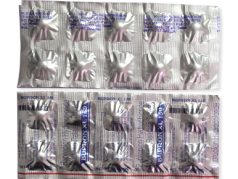
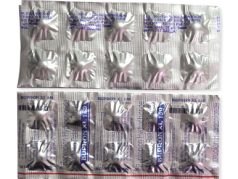
Bupropion, known as Zyban when prescribed for smoking cessation, was originally developed as an antidepressant. It works by affecting dopamine and noradrenaline levels in the brain, helping to reduce withdrawal symptoms and cravings. Treatment typically begins 1-2 weeks before your quit date and continues for 7-12 weeks. Zyban is particularly beneficial for people who experience depression or mood changes when quitting smoking.
Both Champix and Zyban require a prescription from a registered Australian healthcare provider. Your doctor will assess your medical history, current medications, and smoking patterns to determine the most suitable option. They'll also monitor your progress and adjust treatment as needed.
Common side effects may include:
These medications aren't suitable for everyone, particularly those with certain mental health conditions, seizure disorders, or during pregnancy.
Many Australians are exploring natural alternatives to traditional smoking cessation methods. Herbal supplements such as lobelia, St. John's wort, and passionflower have been traditionally used to help manage cravings and reduce anxiety associated with quitting. Whilst these supplements may offer some benefits, it's essential to consult with your pharmacist or healthcare provider before starting any herbal regimen, as they can interact with other medications and may not be suitable for everyone.
Digital health solutions have revolutionised smoking cessation support in Australia. Mobile apps like "My QuitBuddy" developed by the Australian Government provide personalised tracking, motivation, and evidence-based strategies. These tools help monitor your progress, calculate money saved, and provide 24/7 support when cravings strike. Many apps also offer community features where you can connect with other Australians on their quit journey.
Complementary therapies such as acupuncture and hypnotherapy are increasingly popular amongst Australians seeking alternative cessation methods. Acupuncture may help reduce withdrawal symptoms and cravings by targeting specific pressure points. Hypnotherapy focuses on changing your subconscious relationship with smoking through guided relaxation and suggestion techniques. Many practitioners across Australia specialise in smoking cessation and work alongside conventional medical treatments.
Australia offers excellent support networks for those wanting to quit smoking. The Quitline (13 7848) provides free telephone counselling from trained specialists across all states and territories. Many local communities also run support groups where you can share experiences and strategies with others. Online forums and social media groups specifically for Australian quitters offer additional peer support and encouragement throughout your journey.
Incorporating healthy lifestyle modifications can significantly enhance your quit success. Regular exercise helps manage stress and weight concerns whilst improving your overall wellbeing. Dietary changes, such as increasing water intake and avoiding alcohol triggers, can reduce cravings. Establishing new routines and hobbies helps fill the time previously spent smoking and creates positive associations with your smoke-free lifestyle.
Choosing the right quit date is crucial for success. Select a date within the next two weeks when you'll have minimal stress and maximum support available. Mental preparation involves visualising yourself as a non-smoker and understanding your personal motivations for quitting. Consider using the lead-up time to reduce your smoking gradually or to practice coping strategies. Many successful Australian quitters recommend choosing a meaningful date, such as a birthday or anniversary, to add extra motivation.
Understanding when and why you smoke is fundamental to successful cessation. Common triggers include stress, social situations, driving, or having a coffee. Keep a smoking diary for a week to identify your personal patterns. Once you've identified triggers, develop specific coping strategies for each situation. This might include deep breathing exercises, having a healthy snack ready, or calling a support person when cravings hit.
A strong support system significantly increases your chances of quitting successfully. Your network should include:
Research shows that combining multiple cessation methods increases your likelihood of success. You might use nicotine replacement therapy alongside behavioural counselling, or prescription medications with support group attendance. Your pharmacist can help you design a comprehensive approach that suits your lifestyle, health status, and personal preferences. Many Australians find success combining pharmaceutical interventions with natural therapies and strong support networks.
Monitoring your progress helps maintain motivation and identify areas needing adjustment. Track metrics such as days smoke-free, money saved, and health improvements noticed. Celebrate significant milestones like one week, one month, and three months smoke-free. Reward yourself with activities or purchases you enjoy, using the money you've saved from not buying cigarettes. Many apps and tools can help visualise your progress and achievements.
Many Australians require multiple quit attempts before achieving long-term success, and this is completely normal. A slip-up or relapse doesn't mean you've failed or that you can't quit successfully. Research indicates that most successful quitters have tried to quit several times before succeeding permanently. View each attempt as valuable learning experience that brings you closer to your ultimate goal of becoming smoke-free.
If you do have a cigarette or return to smoking temporarily, take immediate action to get back on track. Analyse what led to the relapse and adjust your quit plan accordingly. This might mean addressing a trigger you hadn't previously identified or seeking additional support. Dispose of any remaining cigarettes, recommit to your quit date, and reach out to your support network. Consider consulting your pharmacist about adjusting your cessation medications if needed.
Maintaining your smoke-free status requires ongoing attention, especially during stressful periods. Many Australians worry about weight gain after quitting, but this can be managed through healthy eating habits and regular physical activity. Focus on nutritious foods, stay hydrated, and keep healthy snacks available for when you feel the urge to eat instead of smoke. Remember that any minor weight gain is far less harmful to your health than continued smoking.
Understanding the health benefits you'll experience can provide powerful motivation to maintain your quit. Within 20 minutes, your heart rate and blood pressure drop. Within 12 hours, carbon monoxide levels normalise. After just one year, your risk of heart disease is cut in half. These improvements continue accumulating over time, with significant reductions in cancer risk occurring after several years. Your pharmacist can provide detailed timelines specific to your health situation.
Some situations warrant additional professional intervention. Consult your healthcare provider if you experience severe withdrawal symptoms, depression, or anxiety that interferes with daily life. If you've tried multiple cessation methods without success, consider specialised smoking cessation clinics available in major Australian cities. Your pharmacist can refer you to appropriate services and may suggest alternative medications or combination therapies you haven't yet tried.