High blood pressure, or hypertension, occurs when the force of blood against your artery walls is consistently too high. This condition makes your heart work harder to pump blood throughout your body, potentially damaging your cardiovascular system over time. Normal blood pressure readings should be below 120/80 mmHg, whilst elevated readings consistently above 140/90 mmHg indicate hypertension requiring medical attention.
Several risk factors contribute to developing hypertension, including advancing age, family history, poor dietary habits, lack of physical activity, excessive alcohol consumption, and smoking. For Australian adults, regular blood pressure monitoring is essential, particularly after age 40, as hypertension often develops silently without noticeable symptoms.
Often called the "silent killer," hypertension can lead to serious complications if left untreated:
Early detection and proper management through lifestyle modifications and medication can significantly reduce these risks and improve long-term health outcomes for Australian patients.
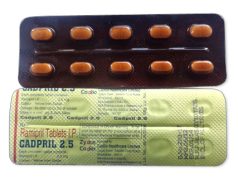
ACE inhibitors work by blocking the formation of angiotensin II, a hormone that narrows blood vessels. Common options include Perindopril (Coversyl), Ramipril (Tritace), and Enalapril (Renitec). These medications are particularly effective for patients with diabetes or heart failure.
ARBs block the action of angiotensin II directly at receptor sites. Popular choices include Telmisartan (Micardis), Irbesartan (Avapro), and Candesartan (Atacand). They offer similar benefits to ACE inhibitors with potentially fewer side effects.
These medications prevent calcium from entering heart and blood vessel cells, causing relaxation of blood vessels. Common options include Amlodipine (Norvasc), Felodipine (Plendil), and Lercanidipine (Zanidip).
Beta-blockers like Metoprolol (Betaloc) and Atenolol (Tenormin) reduce heart rate and cardiac output. Diuretics such as Hydrochlorothiazide, Indapamide (Natrilix), and Chlorthalidone help eliminate excess sodium and water. Most medications are available in both branded and cost-effective generic formulations through the Pharmaceutical Benefits Scheme.
Hypertension requires accurate diagnosis through multiple blood pressure readings taken on separate occasions. Australian healthcare guidelines emphasise that a single elevated reading is insufficient for diagnosis. Your GP will typically conduct several measurements over time, potentially including 24-hour ambulatory monitoring or home blood pressure monitoring to confirm sustained elevation and rule out white coat hypertension.
General practitioners in Australia follow evidence-based guidelines when assessing patients for hypertension treatment. The evaluation process includes reviewing your medical history, conducting physical examinations, and ordering relevant pathology tests to identify underlying causes or complications. Your GP will consider factors such as age, existing health conditions, kidney function, and cardiovascular risk before selecting the most appropriate medication class.
Most hypertension medications are subsidised under the PBS, making treatment more affordable for Australian patients. Common blood pressure medications including ACE inhibitors, calcium channel blockers, and diuretics are typically available at concessional rates. Your pharmacist can provide information about PBS eligibility and any applicable safety net thresholds that may further reduce your medication costs throughout the year.
Effective hypertension management requires ongoing monitoring and potential medication adjustments. Your GP will schedule regular follow-up appointments to assess treatment response, monitor for side effects, and make necessary dosage modifications. Home blood pressure monitoring may be recommended to provide additional data between appointments, helping your healthcare team make informed decisions about your treatment plan.
Certain symptoms warrant immediate medical attention and may indicate a hypertensive emergency. Seek urgent care if you experience severe headaches, chest pain, difficulty breathing, severe nausea or vomiting, confusion, or vision changes alongside very high blood pressure readings. Contact emergency services or present to your nearest emergency department without delay if these symptoms occur.
Successful hypertension management involves collaboration between you, your GP, and your pharmacist. Regular communication about treatment response, lifestyle modifications, and any concerns ensures optimal outcomes. Your healthcare team can provide guidance on medication timing, lifestyle interventions, and strategies to improve treatment adherence for long-term cardiovascular health protection.
Each class of antihypertensive medication has characteristic side effects that patients should be aware of. ACE inhibitors may cause a persistent dry cough, calcium channel blockers can lead to ankle swelling, and diuretics might increase urination frequency. Beta-blockers may cause fatigue or cold hands and feet, whilst some patients experience dizziness when starting treatment due to blood pressure reduction.
Blood pressure medications can interact with other prescription medicines, over-the-counter products, and complementary therapies. Important interactions include:
Adherence to your prescribed medication regimen is crucial for effective blood pressure control and cardiovascular protection. Taking medications at consistent times each day helps maintain steady blood levels and optimal therapeutic effects. Skipping doses or stopping medication without medical supervision can lead to rebound hypertension and increased cardiovascular risks.
If you miss a dose of your blood pressure medication, take it as soon as you remember, unless it's almost time for your next scheduled dose. Never double dose to make up for a missed tablet. If you frequently forget doses, discuss strategies with your pharmacist such as dose administration aids, smartphone reminders, or simplified dosing schedules to improve adherence.
Most blood pressure medications should be stored in a cool, dry place away from direct sunlight and moisture. Avoid storing medications in bathrooms or car glove boxes where temperature and humidity fluctuations can affect stability. Keep medications in their original packaging and check expiry dates regularly. Some medications may require refrigeration, so always follow the specific storage instructions provided by your pharmacist.
Contact your healthcare provider if you experience persistent or concerning side effects, significant changes in blood pressure readings, or have questions about your medication. Your pharmacist can provide immediate advice about minor side effects, drug interactions, and proper medication use. Schedule an appointment with your GP for medication reviews, dosage adjustments, or if you're considering stopping treatment for any reason.
Managing hypertension effectively involves more than just medication. A comprehensive approach that combines lifestyle modifications with prescribed treatments can significantly improve blood pressure control and overall cardiovascular health. Australian health guidelines emphasise the importance of lifestyle changes as a cornerstone of hypertension management.
Reducing sodium intake is one of the most effective dietary changes for managing blood pressure. The Australian Heart Foundation recommends limiting daily sodium intake to less than 2,000mg per day. This involves reading food labels carefully, choosing fresh foods over processed options, and using herbs and spices instead of salt for flavouring. The DASH (Dietary Approaches to Stop Hypertension) eating plan, rich in fruits, vegetables, whole grains, and lean proteins, has been proven effective in lowering blood pressure.
Regular physical activity is a powerful tool for blood pressure control. The Australian Physical Activity Guidelines recommend at least 150 minutes of moderate-intensity aerobic activity per week for adults. Activities such as brisk walking, swimming, cycling, or dancing can help lower blood pressure and improve overall cardiovascular fitness. Always consult with your healthcare provider before starting a new exercise programme, especially if you have other health conditions.
Maintaining a healthy weight significantly impacts blood pressure levels. Even modest weight loss can make a meaningful difference in blood pressure readings. Australian dietitians recommend a balanced approach focusing on portion control, regular meals, and sustainable eating habits rather than restrictive dieting. Your pharmacist can provide guidance on healthy weight management products and connect you with local dietetic services.
Chronic stress can contribute to elevated blood pressure. Effective stress management techniques include:
Home blood pressure monitoring is crucial for effective hypertension management. Australian pharmacies stock a range of validated blood pressure monitors suitable for home use. Digital upper-arm monitors are generally recommended over wrist monitors for accuracy. Look for devices validated by the British Hypertension Society or similar organisations. Your pharmacist can help you select an appropriate device and demonstrate proper usage techniques.
Lifestyle modifications work synergistically with blood pressure medications to provide optimal control. These changes may allow for lower medication doses, reduce side effects, and improve overall treatment effectiveness. It's important to continue lifestyle modifications even when taking medication, as they provide additional cardiovascular benefits beyond blood pressure reduction. Never stop or reduce medication without consulting your healthcare provider, even if lifestyle changes have improved your blood pressure readings.
Successful hypertension management requires ongoing monitoring and commitment to long-term strategies. Regular assessment and adjustment of treatment plans ensure optimal blood pressure control and reduce the risk of cardiovascular complications. Australian healthcare services provide comprehensive support systems to help patients achieve and maintain their blood pressure goals.
Consistent monitoring is essential for tracking treatment progress and identifying patterns in blood pressure readings. Home monitoring should be performed at the same time each day, preferably in the morning before taking medication and in the evening. Australian pharmacies offer professional blood pressure checking services, providing an excellent complement to home monitoring. Many pharmacies also offer medication review services where blood pressure can be monitored alongside medication management.
Blood pressure targets vary depending on individual circumstances, age, and other health conditions. Generally, the target for most adults is less than 140/90 mmHg, though this may be lower for people with diabetes or kidney disease. Your healthcare provider will establish personalised targets based on your overall health profile. Understanding these goals helps you work effectively with your healthcare team to achieve optimal outcomes.
Consistent medication taking is crucial for blood pressure control. Australian pharmacies offer various adherence tools including:
Regular health assessments are vital for long-term hypertension management. Annual check-ups with your GP should include blood pressure evaluation, medication review, and screening for complications. Many Australian pharmacies offer professional medication review services, helping to optimise treatment regimens and identify potential issues. These reviews can detect drug interactions, side effects, or opportunities to simplify medication schedules.
Travelling with blood pressure medications requires planning to ensure continuity of treatment. Carry medications in original packaging with clear labelling, bring extra supplies for unexpected delays, and research medication availability at your destination. For international travel, obtain a letter from your doctor explaining your medical condition and medications. Time zone changes may require adjustment of dosing schedules - consult your pharmacist for guidance on timing modifications.
Effective hypertension management is a lifelong commitment requiring realistic and sustainable strategies. Work with your healthcare team to develop a personalised plan that fits your lifestyle, preferences, and health goals. Regular review and adjustment of your management plan ensures it remains effective and manageable over time. Focus on gradual, sustainable changes rather than dramatic short-term modifications.
Australia offers comprehensive support for hypertension management through various healthcare services. Resources include community health centres, cardiac rehabilitation programmes, dietetic services, and diabetes education centres. The Heart Foundation provides educational materials and support programmes. Many pharmacies participate in professional service programmes offering blood pressure monitoring, medication reviews, and health screenings. Your local pharmacy can connect you with appropriate community resources and support services.