Hair loss is a common concern affecting millions of Australians across all age groups and genders. It occurs when hair follicles shrink over time, producing progressively thinner and shorter hairs until they eventually stop producing hair altogether. In Australia, approximately 6.8 million people experience some form of hair loss, with the condition becoming increasingly prevalent due to factors such as genetics, lifestyle, and environmental stressors unique to the Australian climate.
There are several distinct types of hair loss that affect Australians, each with different causes and treatment approaches:
Male pattern baldness typically begins with a receding hairline and crown thinning, progressing to partial or complete baldness. It often starts in the twenties or thirties and is largely determined by genetics and sensitivity to dihydrotestosterone (DHT). Female pattern hair loss, however, usually presents as diffuse thinning across the crown and top of the scalp, with the hairline generally remaining intact. Women may notice wider partings and reduced hair density rather than complete bald patches.
Hair loss can result from various factors that often work in combination. Genetics play the primary role in androgenetic alopecia, with the condition often inherited from either parent. Hormonal changes, particularly fluctuations in testosterone, oestrogen, and thyroid hormones, significantly impact hair growth cycles. Stress, whether physical or emotional, can trigger temporary or permanent hair loss. Medical conditions such as PCOS, thyroid disorders, and autoimmune diseases frequently contribute to hair thinning. Additionally, certain medications including blood thinners, antidepressants, and chemotherapy drugs can cause hair loss as a side effect.
It's advisable to consult your GP or dermatologist if you notice sudden hair loss, patchy bald spots, or significant thinning that affects your confidence and quality of life. Early intervention often leads to better treatment outcomes. You should seek immediate medical attention if hair loss is accompanied by itching, burning, or scaling of the scalp, as these may indicate underlying skin conditions requiring specific treatment.
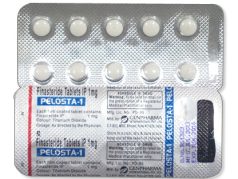
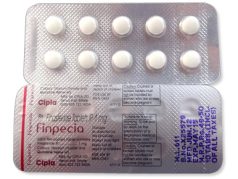
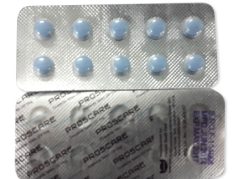
Finasteride is a prescription-only medication available in Australia under brand names including Propecia and Proscar. It works by blocking the enzyme 5-alpha reductase, which converts testosterone to DHT, the hormone primarily responsible for male pattern baldness. Clinical studies show that finasteride can slow hair loss in up to 90% of men and promote regrowth in approximately 65% of users. In Australia, finasteride requires a prescription from a GP or specialist and is not covered by the PBS for hair loss treatment, making it a private prescription medication.
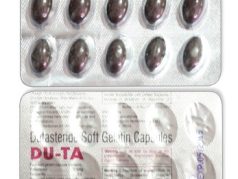
Dutasteride is primarily approved in Australia for treating enlarged prostate but is increasingly prescribed off-label for hair loss by dermatologists and GPs familiar with its use. It blocks both types of 5-alpha reductase enzymes (Type I and II), compared to finasteride which only blocks Type II. This broader action may result in more significant DHT reduction and potentially better hair loss prevention. However, as an off-label use, patients should discuss the risks and benefits thoroughly with their healthcare provider.
DHT blockers like finasteride and dutasteride work by interrupting the process that causes hair follicles to shrink. When DHT levels are reduced in the scalp, hair follicles can recover from miniaturisation, leading to thicker, stronger hair growth. These medications are most effective when started early in the hair loss process, before follicles become completely inactive. The treatment requires ongoing use, as stopping the medication typically results in the resumption of hair loss within 6-12 months.
Oral minoxidil is available in Australia through prescription and is sometimes recommended for patients who don't respond well to topical treatments or have extensive hair loss. Originally developed as a blood pressure medication, oral minoxidil promotes hair growth by improving blood circulation to hair follicles and extending the growth phase of the hair cycle. Dermatologists may prescribe low-dose oral minoxidil (0.25-5mg daily) specifically for hair loss, though this requires careful monitoring due to potential cardiovascular effects.
Australian pharmacies stock various biotin supplements and hair-specific nutritional formulations that may support hair health. Biotin, iron, zinc, and vitamin D deficiencies can contribute to hair thinning, making supplementation beneficial for those with documented deficiencies. While these supplements are available without prescription, it's important to note that they're most effective when addressing specific nutritional gaps rather than serving as standalone hair loss treatments.
Most oral hair loss medications in Australia require consultation with a GP or dermatologist who can assess your suitability for treatment and monitor for side effects. Unfortunately, the PBS does not cover medications specifically prescribed for cosmetic hair loss treatment, meaning patients typically pay private prescription prices. However, if hair loss is associated with a medical condition, some treatments may qualify for PBS subsidies. Patients should discuss all treatment options, including costs and expected outcomes, during their consultation to make informed decisions about their hair loss management.
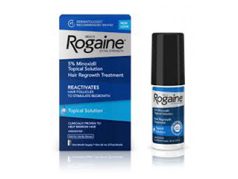
Minoxidil remains the most clinically proven topical treatment for hair loss available in Australian pharmacies. Available under brand names like Regaine and Rogaine, minoxidil comes in two primary concentrations: 2% and 5%. The 5% solution is typically recommended for men, whilst the 2% formulation is often preferred for women, though both concentrations are suitable for either gender when used under proper guidance.
Minoxidil is available in both foam and liquid formulations, each offering distinct advantages. The foam version tends to dry faster and may cause less scalp irritation, making it ideal for sensitive skin. Liquid formulations often provide more precise application and may be more cost-effective. Both forms require twice-daily application directly to the affected scalp areas.
Australian dermatologists can prescribe stronger topical treatments, including combination therapies that may include tretinoin or other active ingredients. Many pharmacies also stock natural and herbal remedies, such as rosemary oil, saw palmetto extracts, and peptide-based serums. Whilst these alternatives may have limited clinical evidence compared to minoxidil, some users report positive results.
Visible improvements typically begin appearing after 3-6 months of consistent use, with optimal results often seen after 12 months of regular application.
Ketoconazole-containing shampoos, such as Nizoral, serve dual purposes in hair loss management. Originally developed as antifungal treatments, these medicated shampoos also demonstrate mild anti-androgenic properties that may help reduce DHT activity on the scalp. Available over-the-counter in 1% concentration, these shampoos are typically used 2-3 times weekly as part of a comprehensive hair care routine.
Caffeine-based shampoos and conditioners have gained popularity for their potential to stimulate hair follicles and improve circulation to the scalp. These products work by penetrating the hair shaft and potentially counteracting the effects of DHT at the follicular level. DHT-blocking shampoos contain various natural ingredients like saw palmetto, pumpkin seed oil, and green tea extracts designed to inhibit the hormone responsible for male pattern baldness.
Australian pharmacies stock numerous hair thickening products designed specifically for thinning hair. These include volumising shampoos, leave-in treatments, and styling products that create the appearance of fuller hair. Local Australian brands often formulate products suited to our climate conditions, whilst international options provide access to globally recognised formulations and technologies proven effective for various hair loss conditions.
Iron deficiency is a leading cause of hair loss, particularly amongst Australian women. When your body lacks adequate iron stores, it prioritises essential organs over hair follicles, leading to thinning and shedding. Iron supplements can help restore healthy levels, but it's crucial to have your iron status tested by a healthcare professional before beginning supplementation, as excess iron can be harmful.
Several key nutrients support healthy hair growth:
While the supplement market is flooded with hair growth promises, stick to products with clinical evidence. Look for supplements listed with the Therapeutic Goods Administration (TGA) and consult with your pharmacist or GP about which supplements might benefit your specific situation. Remember that nutritional supplements work best when addressing actual deficiencies rather than as general hair growth enhancers.
Chronic stress significantly impacts hair growth cycles, often leading to conditions like telogen effluvium. Australian lifestyle factors such as work pressure, financial stress, and extreme weather conditions can all contribute to hair loss. Implementing stress-reduction techniques like mindfulness, regular exercise, adequate sleep, and seeking professional counselling when needed can help protect your hair from stress-related damage.
A balanced diet rich in lean proteins, fresh fruits, and vegetables supports optimal hair growth. The Australian Dietary Guidelines recommend incorporating:
Gentle hair care practices include using lukewarm water, avoiding tight hairstyles, and limiting heat styling. Australia's harsh UV rays can damage both hair and scalp, so wear hats and use UV-protective hair products when outdoors.
When over-the-counter solutions aren't sufficient, consider consulting dermatologists or hair restoration specialists. Hair transplantation technology has advanced significantly, with several reputable clinics operating across Australian capital cities. Support groups and online communities specifically for Australians experiencing hair loss can provide valuable emotional support and practical advice for managing this challenging condition.