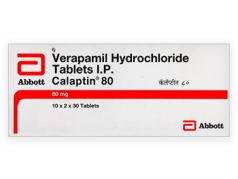
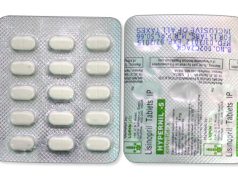
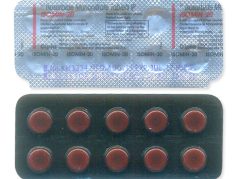
High blood pressure, commonly known as hypertension, is often called the "silent killer" as it typically presents no obvious symptoms whilst quietly damaging your cardiovascular system. This condition affects millions of Australians, with approximately one in three adults living with elevated blood pressure levels. Understanding the underlying causes is crucial for effective management and prevention of serious complications.
The development of hypertension can result from various factors including lifestyle choices, genetic predisposition, and underlying health conditions. Common contributors include excessive sodium intake, lack of physical activity, obesity, excessive alcohol consumption, smoking, and chronic stress. Additionally, certain medical conditions such as diabetes, kidney disease, and sleep apnoea can significantly increase your risk of developing high blood pressure.
Fortunately, numerous effective medications are readily available through Australian pharmacies to help manage hypertension. The main classes of blood pressure medications include:
Each medication class offers unique benefits and works through different mechanisms to lower blood pressure effectively. Your healthcare provider will determine the most suitable option based on your individual health profile, considering factors such as age, other medical conditions, and potential drug interactions. Regular monitoring through blood pressure checks and pathology tests ensures optimal dosing and treatment effectiveness alongside essential lifestyle modifications.
Heart rhythm disorders, medically termed arrhythmias, occur when the electrical impulses coordinating your heartbeat function abnormally, causing your heart to beat too fast, too slow, or irregularly. The most common types include atrial fibrillation (irregular and often rapid heart rate), ventricular tachycardia (fast heart rhythm originating in the ventricles), and bradycardia (abnormally slow heart rate). These conditions can significantly impact blood circulation throughout your body, potentially leading to serious cardiovascular complications if left untreated.
Irregular heartbeats affect the heart's ability to pump blood efficiently, which can result in reduced oxygen supply to vital organs including the brain, kidneys, and other tissues. This compromised circulation may manifest as symptoms such as palpitations, dizziness, shortness of breath, chest pain, or fatigue. In severe cases, certain arrhythmias can increase the risk of stroke, heart failure, or sudden cardiac arrest.
Australian pharmacies stock various medications specifically designed to manage different types of arrhythmias effectively. Treatment approaches focus on controlling heart rate, restoring normal rhythm, and preventing complications such as blood clots. Available options include antiarrhythmic drugs like Amiodarone, Sotalol, and Flecainide, which work to restore and maintain normal heart rhythm. Rate control medications including Digoxin, Diltiazem, and Verapamil help manage heart rate without necessarily correcting the underlying rhythm disorder.
For patients with atrial fibrillation, anticoagulant therapy is often essential for stroke prevention. Modern anticoagulants available in Australia include traditional Warfarin as well as newer direct oral anticoagulants such as Apixaban and Rivaroxaban. These medications significantly reduce the risk of blood clot formation, which is particularly important given that atrial fibrillation increases stroke risk by approximately five times compared to individuals with normal heart rhythm.
Coronary artery disease occurs when the arteries supplying blood to your heart muscle become narrowed or blocked due to plaque buildup. This condition affects millions of Australians and can significantly impact quality of life. The narrowing restricts blood flow to the heart, leading to chest pain known as angina.
There are two main types of angina that patients experience. Stable angina typically occurs during physical exertion or stress and follows a predictable pattern, whilst unstable angina can happen at rest and is more serious, potentially indicating an impending heart attack. Both conditions can limit daily activities such as climbing stairs, walking, or even simple household tasks.
Effective management of coronary artery disease involves several types of medications working together:
These medications work synergistically to prevent heart attacks, manage chest pain, and improve your ability to engage in physical activities. Having emergency medications like glyceryl trinitrate readily available is crucial for managing acute episodes safely.
Heart failure is a serious condition where your heart cannot pump blood effectively enough to meet your body's needs. This doesn't mean your heart has stopped working, but rather that it's not functioning as efficiently as it should. In Australia, heart failure affects approximately 480,000 people and is a leading cause of hospitalisation among older adults.
Common symptoms include persistent shortness of breath, especially when lying down or during activity, unusual fatigue that limits daily activities, and fluid retention causing swelling in legs, ankles, or abdomen. Heart failure progresses through different stages, from mild symptoms that barely affect daily life to severe limitations requiring significant lifestyle modifications. Early diagnosis and proper treatment can significantly improve prognosis and quality of life.
Modern heart failure treatment involves a comprehensive medication approach designed to protect your heart and manage symptoms:
These medications work together to reduce symptoms, prevent hospitalisation, and extend life expectancy. Your pharmacist can provide valuable guidance on timing, side effects, and ensuring optimal medication adherence for the best possible outcomes.
Cholesterol plays a crucial role in the development of cardiovascular disease, particularly in the formation of atherosclerotic plaques that can narrow and block arteries. Understanding and managing cholesterol levels is essential for preventing heart attacks, strokes, and other cardiovascular complications in Australian patients.
Cholesterol management involves monitoring several key components in your blood lipid profile. Low-density lipoprotein (LDL) cholesterol, often called "bad" cholesterol, contributes to plaque buildup in arteries. High-density lipoprotein (HDL) cholesterol, known as "good" cholesterol, helps remove excess cholesterol from the bloodstream. Triglycerides, another type of blood fat, can also increase cardiovascular risk when elevated.
For Australian patients, target cholesterol levels vary based on individual cardiovascular risk factors. Generally, LDL cholesterol should be below 2.0 mmol/L for moderate-risk patients and below 1.8 mmol/L for high-risk individuals. HDL cholesterol should ideally be above 1.0 mmol/L for men and 1.3 mmol/L for women, whilst triglycerides should remain below 2.0 mmol/L.
Statins represent the first-line therapy for cholesterol management in Australia. These medications, including simvastatin, pravastatin, and atorvastatin, work by blocking an enzyme essential for cholesterol production in the liver. Statins can reduce LDL cholesterol by 20-50% depending on the specific medication and dosage prescribed.
When statins alone don't achieve target cholesterol levels, ezetimibe may be added to provide additional cholesterol reduction. This medication works by blocking cholesterol absorption in the intestines, offering a complementary approach to statin therapy.
For patients at very high cardiovascular risk who cannot achieve target levels with conventional therapy, PCSK9 inhibitors may be recommended. These newer medications can dramatically reduce LDL cholesterol levels but require regular injections and careful patient selection.
Fibrates, particularly fenofibrate, are primarily used for managing elevated triglycerides and can also modestly improve HDL cholesterol levels. These medications are especially valuable for patients with metabolic syndrome or diabetes.
Regular monitoring is essential when using cholesterol-lowering medications. Key monitoring requirements include:
Blood clot formation, or thrombosis, represents a significant risk for cardiovascular patients. Understanding this risk and implementing appropriate prevention strategies is crucial for reducing the likelihood of serious complications including stroke, heart attack, and pulmonary embolism.
Cardiovascular patients face increased thrombosis risk due to various factors including irregular heart rhythms (particularly atrial fibrillation), damaged blood vessels, reduced blood flow, and inflammatory processes. Blood clots can form in arteries, leading to heart attacks or strokes, or in veins, potentially causing pulmonary embolism or deep vein thrombosis.
The location and type of clot formation determines the most appropriate prevention strategy. Arterial clots typically require antiplatelet therapy, whilst venous clots generally need anticoagulation. Some patients may require combination therapy depending on their specific risk profile.
Traditional anticoagulation with warfarin remains an effective option for many patients, particularly those with mechanical heart valves or specific types of atrial fibrillation. Warfarin requires regular INR (International Normalised Ratio) monitoring to ensure therapeutic levels whilst minimising bleeding risk. Target INR ranges typically fall between 2.0-3.0 for most indications.
Novel oral anticoagulants (NOACs) including dabigatran, apixaban, and rivaroxaban offer convenient alternatives to warfarin for many patients. These medications provide predictable anticoagulation without requiring routine blood monitoring, making them particularly suitable for patients who struggle with regular INR testing.
Antiplatelet medications serve a different but equally important role in cardiovascular protection. Low-dose aspirin remains the cornerstone of antiplatelet therapy for many patients, whilst clopidogrel and prasugrel offer alternatives for patients who cannot tolerate aspirin or require more potent platelet inhibition.
Successful antithrombotic therapy requires careful balance between preventing dangerous blood clots and minimising bleeding complications. Factors influencing this balance include:
Regular monitoring and review ensure that antithrombotic therapy remains appropriate as patient circumstances change. This includes periodic assessment of bleeding and thrombotic risk, medication adherence, and any side effects or complications that may arise during treatment.