Cancer occurs when normal cells in the body begin to grow and divide uncontrollably. These abnormal cells can form tumours and may spread to other parts of the body through the bloodstream or lymphatic system. Unlike normal cells that have a natural lifecycle, cancer cells continue to multiply without the usual controls that regulate cell growth and death.
Australia has specific cancer patterns that reflect our lifestyle, environment, and demographics. The most frequently diagnosed cancers among Australians include:
Understanding risk factors can help with prevention and early detection. Key risk factors include age, family history, lifestyle choices such as smoking and excessive alcohol consumption, sun exposure, and certain infections. Early warning signs vary by cancer type but may include unusual lumps, persistent cough, changes in bowel habits, unexplained weight loss, unusual bleeding, or changes to moles or skin lesions.
Early detection significantly improves treatment outcomes and survival rates. Australia offers several national screening programmes including BreastScreen Australia for women aged 50-74, the National Cervical Screening Program, and the National Bowel Cancer Screening Program for people aged 50-74. Regular participation in these programmes, along with routine health checks, can help identify cancer in its earliest stages when treatment is most effective.
Cancer affects approximately one in two Australians by age 85. Each year, over 150,000 new cases are diagnosed across the country. The good news is that five-year survival rates have improved significantly, with overall cancer survival now exceeding 70%. These improvements reflect advances in early detection, treatment options, and supportive care available through Australia's healthcare system.
Australian cancer treatment follows evidence-based protocols and international best practices. The three main treatment pillars include chemotherapy, which uses medicines to destroy cancer cells throughout the body; radiation therapy, which delivers targeted high-energy beams to specific areas; and surgery, which removes tumours and affected tissue. These treatments may be used individually or in combination, depending on the cancer type, stage, and individual patient factors.
Modern cancer treatment in Australia includes cutting-edge approaches such as targeted therapy, which attacks specific cancer cell features, and immunotherapy, which harnesses the body's immune system to fight cancer. These treatments are available through major cancer centres and are often accessible through the Pharmaceutical Benefits Scheme (PBS), making them more affordable for Australian patients.
Comprehensive cancer care extends beyond curative treatments to include palliative care, which focuses on improving quality of life and managing symptoms. Australian healthcare provides extensive supportive services including pain management, nutritional support, psychological counselling, and complementary therapies. These services are available through public hospitals, private facilities, and community-based programmes.
Cancer treatment in Australia follows a multidisciplinary team approach, bringing together specialists from various fields. These teams typically include medical oncologists, radiation oncologists, surgeons, nurses, pharmacists, social workers, and allied health professionals. This collaborative approach ensures patients receive comprehensive, coordinated care tailored to their specific needs and circumstances.
Australians have access to cancer treatment through both public and private healthcare systems. The public system provides comprehensive cancer care through major hospitals and cancer centres, funded by Medicare. Private health insurance can provide additional options and reduced waiting times. Many cancer medications are subsidised through the PBS, and various support programmes help with treatment costs and practical assistance during treatment.
Australia's pharmaceutical landscape offers a comprehensive range of prescription cancer medications, ensuring patients have access to the latest therapeutic advances. The Therapeutic Goods Administration (TGA) rigorously evaluates and approves these medications, working alongside the Pharmaceutical Benefits Scheme (PBS) to make treatments accessible to Australian patients.
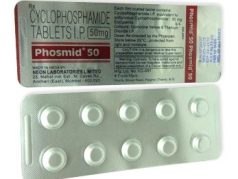
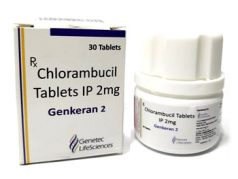
Traditional chemotherapy remains a cornerstone of cancer treatment in Australia. These systemic therapies work by targeting rapidly dividing cells throughout the body. Commonly prescribed chemotherapy agents include:
These medications are typically administered intravenously in hospital or clinic settings under close medical supervision. Treatment schedules vary depending on the specific cancer type and stage, with cycles designed to maximise effectiveness whilst allowing the body time to recover between treatments.
Targeted therapies represent a significant advancement in cancer treatment, designed to attack specific molecular targets associated with cancer growth. These precision medicines offer improved outcomes with often fewer side effects compared to traditional chemotherapy.
Key targeted therapy drugs available in Australia include trastuzumab for HER2-positive breast cancers, imatinib for chronic myeloid leukaemia and gastrointestinal stromal tumours, and rituximab for certain types of non-Hodgkin lymphoma and chronic lymphocytic leukaemia. These medications work by interfering with specific proteins or genes that contribute to cancer cell growth and survival.
Hormone therapy is particularly effective for hormone-sensitive cancers, primarily breast and prostate cancers. These treatments work by blocking the body's natural hormones that fuel certain types of cancer growth.
Commonly prescribed hormone therapy medications include tamoxifen, which blocks oestrogen receptors in breast tissue, anastrozole, an aromatase inhibitor that reduces oestrogen production, and leuprorelin, which suppresses hormone production by affecting the pituitary gland. These medications may be administered orally as daily tablets or as long-acting injections, depending on the specific drug and treatment protocol.
Immunotherapy represents one of the most promising developments in cancer treatment, harnessing the body's own immune system to fight cancer cells. These treatments have shown remarkable success across various cancer types and are increasingly available to Australian patients.
Pembrolizumab and nivolumab are checkpoint inhibitors that help the immune system recognise and attack cancer cells more effectively. These medications are administered intravenously and have shown significant benefits for patients with melanoma, lung cancer, kidney cancer, and several other cancer types.
The Pharmaceutical Benefits Scheme plays a crucial role in making cancer medications affordable for Australian patients. Most prescription cancer medications are subsidised under the PBS, significantly reducing out-of-pocket costs for patients and their families.
PBS coverage typically requires specific criteria to be met, including confirmed diagnosis, previous treatment history, and ongoing monitoring requirements. Patients with a Healthcare Card or Pensioner Concession Card receive additional subsidies, whilst the PBS Safety Net provides further protection against high medication costs for all Australians.
Cancer medications employ various mechanisms of action to target cancer cells. Chemotherapy drugs generally work by interfering with cell division, targeted therapies block specific molecular pathways essential for cancer growth, hormone therapies disrupt hormone-dependent cancer progression, and immunotherapies enhance the immune system's ability to recognise and destroy cancer cells.
Administration methods vary considerably depending on the medication type and treatment protocol. Intravenous infusions are common for many chemotherapy and immunotherapy drugs, typically administered in hospital day-treatment centres or oncology clinics. Oral medications, including many targeted therapies and hormone treatments, can often be taken at home with regular monitoring. Some hormone therapies are administered as intramuscular injections at scheduled intervals, whilst others may be delivered via implantable devices for sustained release.
Cancer treatments, whilst essential for fighting the disease, often come with challenging side effects that require careful management. Understanding these effects and having access to appropriate medications can significantly improve quality of life during treatment.
Chemotherapy, radiation therapy, and immunotherapy can cause various side effects including nausea, vomiting, fatigue, pain, and skin reactions. These effects vary depending on the treatment type, dosage, and individual patient factors.
Anti-nausea medications are crucial for maintaining comfort and nutrition during treatment. Ondansetron (Zofran) is commonly prescribed for chemotherapy-induced nausea, whilst metoclopramide (Maxolon) helps with both nausea and digestive issues. These medications are available through PBS listings for eligible patients.
Effective pain management may include prescription analgesics, anti-inflammatory medications, and nerve pain treatments. Supportive care medicines such as mouth rinses for oral mucositis and anti-diarrhoeal medications help manage treatment-related complications.
Specialised nutritional supplements designed for cancer patients can help maintain strength and support immune function. These include protein powders, vitamin D supplements, and probiotics to support digestive health during treatment.
Radiation and chemotherapy can cause significant skin sensitivity and reactions. Gentle, fragrance-free moisturisers, barrier creams, and specialised products designed for cancer treatment-related skin care are essential for comfort and healing.
Australian pharmacies provide specialised services and support systems designed specifically for cancer patients, ensuring comprehensive care throughout the treatment journey.
Many Australian pharmacies offer dedicated cancer care services, including medication counselling, side effect management advice, and coordination with oncology teams. These services ensure patients receive expert guidance on complex medication regimens and potential drug interactions.
Medication adherence programmes help patients manage complex treatment schedules through:
Pharmacists work closely with oncologists, nurses, and other healthcare professionals to optimise treatment outcomes. This collaborative approach ensures seamless care coordination and prompt addressing of any medication-related concerns.
Cancer Council Australia provides invaluable resources including the 13 11 20 information and support service, online resources, and local support groups. Many pharmacies can connect patients with these services and provide information about financial assistance programmes.
Home delivery services for cancer medications ensure patients can access essential treatments without the stress of frequent pharmacy visits, particularly beneficial during periods of compromised immunity or mobility challenges.