Birth control, also known as contraception, refers to methods and devices used to prevent pregnancy. In Australia, access to reliable contraception is considered a fundamental aspect of reproductive health, empowering individuals to make informed decisions about family planning and sexual health. Effective birth control not only prevents unintended pregnancies but can also provide additional health benefits such as regulating menstrual cycles and reducing certain health risks.
Australia offers a comprehensive range of contraceptive methods to suit different lifestyles, health conditions, and personal preferences. These options include hormonal methods like the pill and contraceptive injections, barrier methods such as condoms, long-acting reversible contraceptives (LARCs) including IUDs and implants, and permanent solutions like sterilisation. The effectiveness of contraceptive methods varies significantly, with some methods being over 99% effective when used correctly, whilst others may have lower success rates depending on proper usage.
Choosing the right contraceptive method is a personal decision that should be made in consultation with a qualified healthcare professional. Your GP or family planning clinic can assess your individual health profile, lifestyle factors, and contraceptive goals to recommend the most suitable options. Regular consultations ensure your chosen method continues to meet your needs and allows for timely adjustments when necessary.
Hormonal contraceptives are among the most popular and effective birth control methods available in Australia. These methods work by using synthetic hormones to prevent ovulation, thicken cervical mucus, and thin the uterine lining, making pregnancy highly unlikely when used correctly.
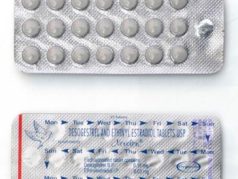
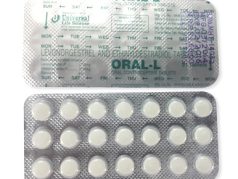
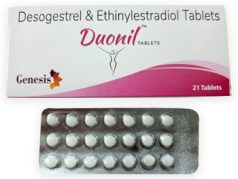
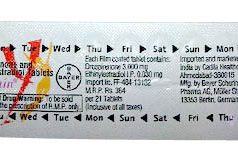
The combined pill, commonly known as "the pill," contains both oestrogen and progestin hormones. Popular brands available in Australia include:
When taken correctly, the combined pill is over 99% effective at preventing pregnancy. Beyond contraception, many women experience benefits such as lighter, more regular periods, reduced acne, and decreased risk of certain cancers.
Mini pills contain only progestin and are suitable for women who cannot take oestrogen, including breastfeeding mothers and those with certain health conditions. Popular brands include Microlut and Noriday. These pills must be taken at the same time daily for maximum effectiveness and are particularly suitable for women over 35 who smoke or have cardiovascular risk factors.
Long-acting hormonal contraceptives offer convenient alternatives to daily pills. Depo-Provera injections provide three months of protection per dose. Hormonal IUDs like Mirena and Skyla can prevent pregnancy for 3-5 years whilst often reducing menstrual bleeding. The Implanon NXT contraceptive implant, inserted under the skin of the upper arm, provides effective contraception for up to three years and is over 99% effective.
Copper intrauterine devices (IUDs) offer one of the most reliable long-term contraceptive solutions available in Australia. These T-shaped devices are inserted by a healthcare professional and can provide protection for up to 10 years. The copper creates an environment that prevents fertilisation, offering over 99% effectiveness without the need for hormones.
Physical barrier methods remain popular choices for many Australians seeking hormone-free contraception:
Spermicides and contraceptive gels work by immobilising sperm and are often used alongside barrier methods for increased effectiveness. Natural family planning involves tracking fertility signs like basal body temperature and cervical mucus to identify fertile periods. For those seeking permanent solutions, tubal ligation and vasectomy procedures are available through Australian healthcare providers, offering permanent sterilisation with high success rates.
Emergency contraception is readily accessible across Australia through pharmacies and healthcare providers. The most common options include levonorgestrel-based pills (effective up to 72 hours) and ulipristal acetate (effective up to 120 hours after unprotected intercourse). These medications work primarily by delaying ovulation.
Emergency contraception is most effective when taken as soon as possible after unprotected intercourse. Effectiveness decreases over time, making prompt action crucial. Key timeframes include:
Emergency contraception is available without prescription from most Australian pharmacies, family planning clinics, and hospital emergency departments. It's important to understand that emergency contraception prevents pregnancy rather than terminating an existing pregnancy, making it distinctly different from abortion procedures.
While birth control effectively prevents pregnancy, many methods don't protect against sexually transmitted infections (STIs). Condoms remain the only contraceptive method that provides dual protection against both pregnancy and STIs, including HIV, chlamydia, gonorrhoea, and syphilis. It's crucial to understand that hormonal contraceptives, IUDs, and other non-barrier methods offer no protection against infections.
For comprehensive sexual health, consider combining methods for dual protection. This might involve using hormonal contraception alongside condoms, or choosing female condoms which protect against both pregnancy and STIs. Many Australians successfully use dual methods to maximise both contraceptive effectiveness and infection prevention.
Beyond contraception, maintaining sexual health involves regular STI screenings, open communication with partners about sexual history, and discussing contraceptive preferences together. Annual health check-ups should include sexual health discussions with your GP, and more frequent screening may be recommended based on individual circumstances. Remember that sexual health encompasses physical and emotional wellbeing, making informed choices about contraception an important part of overall health management.
Most hormonal contraceptives in Australia require a prescription from a GP or qualified healthcare provider. During consultations, doctors assess medical history, current health status, and lifestyle factors to recommend suitable options. Regular follow-ups are typically required for prescription renewals and monitoring.
Australians can access birth control through various channels:
Medicare covers GP consultations for contraceptive advice, whilst the Pharmaceutical Benefits Scheme (PBS) subsidises many prescription contraceptives, making them more affordable. Emergency contraception is available over-the-counter at pharmacies, though costs vary between brands and locations.
All Australian healthcare providers maintain strict confidentiality regarding contraceptive consultations and prescriptions. Young people can access contraceptive services confidentially, and pharmacists provide discreet, professional advice whilst respecting privacy requirements.