Asthma is a chronic respiratory condition that affects the airways in your lungs, causing them to become inflamed, narrow, and produce excess mucus. This makes breathing difficult and can trigger coughing, wheezing, and shortness of breath. In Australia, asthma affects approximately one in nine people, making it one of the most common chronic conditions in the country.
Australia's diverse climate presents unique challenges for asthma sufferers. Common triggers in our environment include:
Proper diagnosis by a qualified healthcare professional is essential for effective asthma management. Your GP or respiratory specialist will assess your symptoms, conduct lung function tests, and develop a personalised asthma action plan tailored to your specific triggers and severity.
Ongoing management involves regular monitoring, medication adherence, and lifestyle adjustments. Healthcare professionals, including pharmacists, play a crucial role in educating patients about proper medication techniques and recognising warning signs. Without proper management, asthma can significantly impact daily activities, work performance, sleep quality, and exercise participation, making professional guidance vital for maintaining an active, healthy lifestyle.
Reliever medications, also known as rescue medications, provide rapid relief during asthma attacks by quickly opening narrowed airways. Short-acting beta-agonists (SABAs) are the most commonly prescribed relievers, working within minutes to relax the muscles around your airways and restore normal breathing.
Salbutamol is Australia's most widely used reliever medication. The standard dose is 1-2 puffs as needed, with effects lasting 4-6 hours. During an asthma attack, take 4 puffs initially, waiting 4 minutes between each puff. If symptoms persist, seek medical attention immediately.
Terbutaline is typically prescribed when patients don't respond well to salbutamol or experience side effects. It works similarly to salbutamol but may be more suitable for certain individuals based on their medical history and response to treatment.
Correct inhaler technique is crucial for medication effectiveness. Always use a spacer device to improve drug delivery to your lungs and reduce side effects. Seek emergency medical attention if you need your reliever more than every 4 hours, experience severe breathing difficulty, cannot speak in full sentences, or your lips or fingernails appear blue. Remember, frequent reliever use indicates poor asthma control and requires review of your management plan.
Preventer medications form the foundation of long-term asthma management in Australia, helping to reduce airway inflammation and prevent asthma symptoms before they occur. These medications are essential for maintaining good asthma control and reducing the risk of serious asthma attacks.
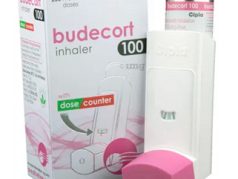
Inhaled corticosteroids are the most effective preventer medications available through Australian pharmacies. These anti-inflammatory medicines work by reducing swelling and irritation in the airways when used daily. Common ICS options include:
Many Australians benefit from combination inhalers that contain both an inhaled corticosteroid and a long-acting bronchodilator (LABA). Popular combination therapies available in Australia include Seretide (fluticasone/salmeterol), Symbicort (budesonide/formoterol), and Fostair (beclomethasone/formoterol). These combination treatments provide both anti-inflammatory and bronchodilator effects in a single inhaler.
Consistent daily use of preventer medications is crucial for optimal asthma control. Even when feeling well, continuing your prescribed preventer medication helps maintain long-term respiratory health and prevents symptom flare-ups.
When standard asthma treatments don't provide adequate control, several advanced therapeutic options are available through Australian healthcare providers and specialised pharmacy services.
Long-acting bronchodilators (LABAs) such as salmeterol and formoterol can be added to inhaled corticosteroids for enhanced bronchodilation. Leukotriene receptor antagonists like Montelukast (Singulair) offer an alternative anti-inflammatory approach, particularly beneficial for exercise-induced asthma or those with allergic rhinitis.
For severe asthma exacerbations, oral corticosteroids such as prednisolone may be prescribed for short-term use. These powerful anti-inflammatory medications help rapidly reduce severe airway inflammation but require careful medical supervision due to potential side effects.
Biologic therapies represent the latest advancement in severe asthma treatment, targeting specific inflammatory pathways. These injectable medications, available through specialist respiratory clinics across Australia, are reserved for patients with severe, uncontrolled asthma despite optimal standard therapy.
Your pharmacist or respiratory specialist will consider step-up therapy when current treatments fail to achieve adequate symptom control, frequent rescue medication use occurs, or quality of life remains significantly impacted.
Metered dose inhalers are the most common type of inhaler prescribed in Australia. These pressurised devices deliver a precise amount of medication with each puff. Proper technique is crucial for effective treatment - remove the cap, shake the inhaler 5-10 times, breathe out gently, place lips firmly around the mouthpiece, press down whilst breathing in slowly and deeply, then hold your breath for 10 seconds before exhaling slowly.
Dry powder inhalers like Turbuhaler and Accuhaler are breath-activated devices that don't require coordination between pressing and breathing. These devices are particularly suitable for patients who struggle with MDI technique. The medication is released when you breathe in forcefully and deeply. Always keep these devices dry and store them in a cool, dry place away from moisture.
Spacer devices significantly improve medication delivery from MDIs by reducing the need for perfect timing and coordination. They help ensure more medication reaches your lungs rather than staying in your mouth and throat. Benefits include reduced side effects, improved medication effectiveness, and easier use for children and elderly patients. The Australian Asthma Foundation recommends spacers for most patients using MDIs.
Nebulisers convert liquid medication into a fine mist that can be inhaled through a face mask or mouthpiece. These devices are particularly useful during severe asthma episodes or for young children who cannot use other inhaler types effectively. Treatment typically takes 10-15 minutes and should be used according to your doctor's instructions and asthma action plan.
Regular cleaning and maintenance of your inhaler devices is essential for optimal performance and hygiene. Clean MDI mouthpieces weekly with warm water and allow to air dry completely. Spacers should be washed monthly in warm soapy water and left to air dry without rinsing. Replace devices according to manufacturer guidelines and check expiry dates regularly.
The best inhaler device depends on your age, dexterity, breathing ability, and personal preferences. Your pharmacist can help assess which device suits you best by considering factors such as coordination ability, inspiratory flow rate, and lifestyle requirements. Regular reviews ensure your device continues to meet your changing needs.
An asthma action plan is a personalised written plan developed with your doctor that outlines your daily medications, how to recognise worsening symptoms, and what steps to take during an asthma episode. Peak flow monitoring involves using a simple device to measure how well air moves out of your lungs, helping you detect changes in your condition before symptoms worsen.
Identifying and avoiding your personal asthma triggers is fundamental to good asthma management. Common Australian triggers include:
Regular exercise is beneficial for people with asthma as it improves lung function and overall fitness. Choose appropriate activities such as swimming, walking, or cycling, and always warm up gradually. Use your reliever medication 10-15 minutes before exercise if recommended by your doctor. Swimming is particularly suitable as the warm, humid environment is less likely to trigger symptoms.
When travelling within Australia or overseas, always carry more medication than needed and keep medications in carry-on luggage. Obtain a letter from your doctor explaining your condition and medications for customs purposes. Research local healthcare facilities and ensure you have adequate travel insurance that covers your asthma condition.
Asthma Australia provides excellent resources including educational materials, support groups, and online tools for managing your condition. Many community health centres offer asthma education programs, and your local pharmacy may provide specialised asthma services. The National Asthma Council Australia also offers evidence-based guidelines and patient resources.
Regular reviews with your pharmacist ensure your medications remain appropriate and effective. These consultations can help optimise your treatment, review inhaler technique, discuss any side effects, and identify potential drug interactions. Many Australian pharmacies offer comprehensive asthma management services and can coordinate care with your GP and specialist.