Arthritis is a common condition that causes inflammation, pain, and stiffness in the joints, affecting millions of Australians across all age groups. This chronic condition occurs when the protective cartilage that cushions the ends of bones wears down or when the immune system mistakenly attacks healthy joint tissue, leading to reduced mobility and discomfort in daily activities.
The three most prevalent forms of arthritis in Australia include:
Key symptoms include persistent joint pain, morning stiffness lasting more than 30 minutes, swelling around joints, reduced range of motion, and fatigue. These symptoms may worsen during cold weather or periods of high humidity, which are common in many Australian regions.
Risk factors include age, family history, previous joint injuries, and obesity. With arthritis affecting 1 in 6 Australians, it's crucial to consult your GP or pharmacist when experiencing persistent joint symptoms that interfere with daily activities or sleep patterns.
Managing arthritis pain effectively often begins with over-the-counter medications available at Australian pharmacies. These treatments can provide significant relief when used appropriately and under professional guidance.
Paracetamol remains the first-line treatment for mild to moderate arthritis pain, recommended by Australian healthcare professionals. It's particularly suitable for older adults and those who cannot tolerate anti-inflammatory medications. The standard adult dose is 500-1000mg every 4-6 hours, with a maximum of 4000mg per day.
NSAIDs are highly effective for reducing both pain and inflammation associated with arthritis:
Topical creams and gels containing NSAIDs or counterirritants offer localised relief with reduced systemic side effects. Always follow dosage guidelines, avoid long-term NSAID use without medical supervision, and consult your pharmacist about potential interactions with other medications, especially if you have heart conditions, kidney problems, or stomach ulcers.
Australian pharmacies stock a comprehensive range of prescription arthritis medications, many of which are subsidised through the Pharmaceutical Benefits Scheme (PBS) to make treatment more affordable for patients.
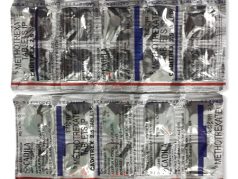
DMARDs are the cornerstone of rheumatoid arthritis treatment in Australia, working to slow disease progression and prevent joint damage. Methotrexate remains the gold standard first-line treatment, typically prescribed in tablet or injection form. Sulfasalazine offers an alternative for patients who cannot tolerate methotrexate, whilst hydroxychloroquine is particularly effective for milder cases and lupus-related arthritis.
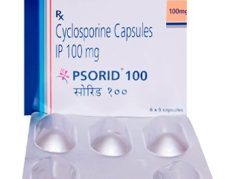
For severe or treatment-resistant cases, biologic therapies represent a significant advancement in arthritis care. These targeted medications, including TNF inhibitors and newer JAK inhibitors, are available through specialist rheumatologists and may qualify for PBS subsidisation under specific criteria.
Corticosteroids provide rapid inflammation control during flare-ups, available as oral tablets or injection preparations. COX-2 selective inhibitors offer pain relief with reduced gastrointestinal side effects compared to traditional NSAIDs.
Many arthritis medications qualify for PBS subsidisation, significantly reducing out-of-pocket costs. Eligibility criteria typically include:
Patients should discuss PBS eligibility with their prescribing doctor to ensure optimal access to subsidised treatments.
Many Australians with arthritis incorporate natural and complementary therapies alongside conventional treatments to manage symptoms and support joint health. These products are widely available in Australian pharmacies and health stores.
Glucosamine and chondroitin supplements remain popular choices for osteoarthritis management. Whilst research shows mixed results, many patients report improved joint comfort and mobility. These supplements are typically taken long-term for optimal benefits and are available in various formulations including tablets, capsules, and liquid preparations.
Fish oil and omega-3 fatty acid supplements demonstrate anti-inflammatory properties that may benefit rheumatoid arthritis patients. High-quality, pharmaceutical-grade fish oils are recommended, with typical doses ranging from 2-3 grams daily of combined EPA and DHA.
Turmeric and curcumin products have gained significant attention for their potent anti-inflammatory effects. Look for standardised extracts with enhanced bioavailability for maximum therapeutic benefit. MSM (Methylsulfonylmethane) supplements may support joint flexibility and reduce stiffness.
Important safety guidelines include:
Always inform your pharmacist about all supplements when collecting prescription medications to avoid potential interactions.
Managing arthritis effectively extends beyond medication, encompassing a comprehensive approach that includes practical lifestyle modifications and supportive products. Australian pharmacies stock an extensive range of mobility aids and joint support equipment designed to reduce strain on affected joints whilst maintaining independence in daily activities.
Heat and cold therapy products offer significant relief for arthritis symptoms. Heat therapy helps relax muscles and improve circulation, whilst cold therapy reduces inflammation and numbs pain. Consider wheat packs, electric heating pads, gel ice packs, and therapeutic creams containing menthol or capsaicin for targeted relief.
Compression garments and joint supports provide stability and reduce swelling, particularly beneficial during flare-ups. Low-impact exercise equipment such as resistance bands, foam rollers, and stability balls help maintain joint flexibility and muscle strength without excessive stress.
Sleep aids specifically formulated for pain-related sleep disturbances help ensure restorative rest, which is crucial for managing arthritis symptoms and supporting overall wellbeing.
Your pharmacist serves as an accessible healthcare professional who can provide valuable guidance throughout your arthritis management journey. Regular consultation ensures optimal medication effectiveness whilst minimising potential complications.
Seek pharmacist advice when experiencing new or worsening symptoms, before starting new medications or supplements, or when concerned about medication interactions. Australian pharmacists are qualified to conduct comprehensive medication reviews, ensuring your treatment regimen remains effective and appropriate for your current condition.
Regular monitoring for side effects is essential, particularly with long-term medication use. Your pharmacist can identify early warning signs and coordinate with your GP or rheumatologist for necessary adjustments.
Australian pharmacy services include specialised arthritis management programmes, home delivery services for mobility-limited patients, and coordination with allied health professionals. Many pharmacies participate in government-funded programs providing additional support and monitoring for chronic conditions like arthritis.