Fungal infections are caused by microscopic organisms that thrive in warm, moist environments and can affect various parts of the body including skin, nails, and mucous membranes. These infections occur when fungi overgrow or when the body's natural defences are compromised, leading to uncomfortable symptoms such as itching, burning, and visible changes to affected areas.
In Australia's warm and humid climate, several fungal infections are particularly common. Athlete's foot affects the feet and toes, whilst tinea (ringworm) can appear on the body, scalp, or groin area. Nail fungus causes thickening and discolouration of toenails and fingernails, and thrush affects the mouth or genital areas. The tropical conditions across much of Australia create ideal breeding grounds for these fungi.
Antifungal medications work by either killing fungi directly or preventing their growth and reproduction. They target the fungal cell walls or interfere with essential fungal processes, allowing the body's immune system to eliminate the infection effectively.
Seek medical treatment if symptoms persist beyond two weeks of self-treatment, if the infection spreads or worsens, or if you have diabetes or a compromised immune system. Risk factors include excessive sweating, shared facilities like pools and gyms, tight footwear, and poor hygiene. Prevention strategies include keeping affected areas clean and dry, wearing breathable clothing, and avoiding sharing personal items.
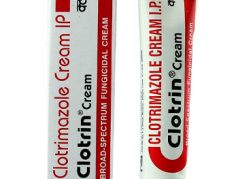
Topical antifungal treatments are the first-line therapy for most superficial fungal infections affecting the skin. These medications come in various formulations including creams, ointments, gels, sprays, and powders, each designed to suit different infection types and patient preferences. Creams are ideal for moist areas, whilst powders work well for prevention and areas prone to sweating.
Australian pharmacies stock several trusted antifungal brands. Canesten (clotrimazole) offers broad-spectrum coverage for various fungal infections, Daktarin (miconazole) provides effective treatment for skin and nail infections, and Lamisil (terbinafine) delivers rapid results particularly for athlete's foot and ringworm. These products are available without prescription for most common infections.
Treatment effectiveness depends on proper application and duration:
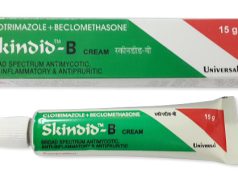
Combination products containing antifungals with antibacterials or anti-inflammatories can address secondary bacterial infections or reduce inflammation, providing comprehensive treatment for complicated cases whilst simplifying the treatment regimen.
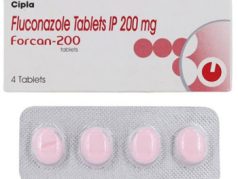
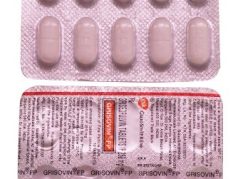
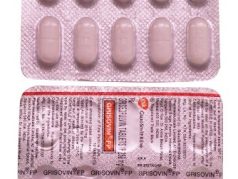
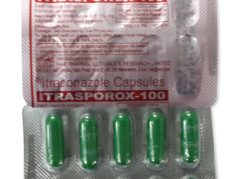
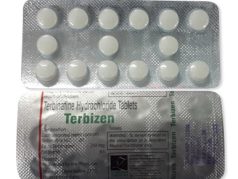
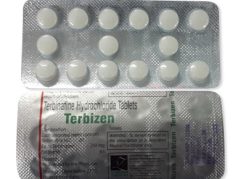
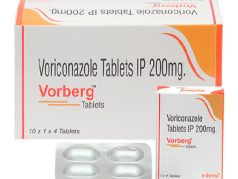
Oral antifungal medications are prescribed for severe or systemic fungal infections that cannot be effectively treated with topical preparations. These prescription tablets are particularly effective for treating nail fungus, widespread skin infections, and internal fungal infections that require systemic treatment.
The most frequently prescribed oral antifungals in Australia include:
Oral treatment is typically preferred over topical applications when dealing with nail infections, extensive skin involvement, or when topical treatments have proven ineffective. These medications work from within the body to eliminate fungal infections at their source.
Oral antifungals can cause side effects including nausea, headache, and potential liver function changes. They may interact with other medications, particularly blood thinners and certain heart medications. Regular monitoring through blood tests may be required during extended treatment periods, especially for liver function. Always consult your pharmacist or doctor about potential drug interactions before starting oral antifungal therapy.
Vaginal thrush is a common fungal infection affecting many Australian women, characterised by itching, burning, and abnormal discharge. Effective treatment options are readily available without prescription for most cases, providing quick relief from uncomfortable symptoms.
Vaginal antifungal products come in several convenient forms to suit different preferences and lifestyles. Pessaries offer targeted internal treatment, whilst creams provide external symptom relief. Oral capsules offer a convenient single-dose option for busy lifestyles.
Popular Australian brands include:
Treatment options range from convenient single-dose oral capsules to multi-day topical treatments. Single-dose treatments offer maximum convenience, whilst multi-day treatments may provide more thorough symptom relief. Partner treatment may be recommended in cases of recurring infections or persistent symptoms.
For women experiencing recurring thrush infections (more than four episodes per year), it's important to consult a healthcare professional to investigate underlying causes and develop an appropriate long-term management strategy.
Nail fungal infections require persistent treatment with specialised products including medicated lacquers, topical solutions, and oral tablets. Lacquers such as amorolfine are applied directly to affected nails, whilst oral antifungals like terbinafine may be prescribed for severe infections. These treatments typically require months of consistent application for complete clearance.
Scalp conditions like tinea capitis respond well to antifungal shampoos containing ketoconazole or selenium sulphide. These medicated shampoos should be used as directed, typically 2-3 times weekly, with thorough contact time on the scalp before rinsing.
Oral thrush treatments include antifungal lozenges, mouth gels, and oral suspensions. Products containing nystatin or miconazole are commonly used for localised treatment, whilst fluconazole may be prescribed for systemic infections.
Immunocompromised patients require carefully selected antifungal treatments, often under medical supervision. Natural alternatives include tea tree oil preparations and probiotics, though these should complement rather than replace proven antifungal therapies when treating established infections.
Accurate diagnosis is essential before commencing antifungal treatment, as many skin conditions can mimic fungal infections. Self-diagnosis may lead to inappropriate treatment and delayed recovery. A pharmacist can help assess symptoms and recommend appropriate testing or referral to a GP when necessary.
Treatment approaches vary significantly across age groups. Children require weight-based dosing and child-friendly formulations, whilst elderly patients may need dose adjustments due to reduced kidney function. Pregnant and breastfeeding women have limited treatment options, with topical therapies generally preferred over oral medications.
Consult a healthcare professional immediately if you experience severe allergic reactions, worsening symptoms after one week of treatment, or signs of secondary bacterial infection such as increased redness, warmth, or pus formation.