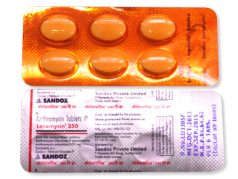
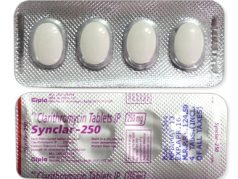
Antibiotics are powerful medications specifically designed to treat bacterial infections by either killing bacteria directly or inhibiting their growth and reproduction. These essential medicines work by targeting structures or biological processes that are unique to bacteria, effectively reducing the bacterial load in your body and allowing your immune system to clear the remaining infection.
When you take antibiotics, they employ several different mechanisms to combat bacterial infections. Understanding how these medications work helps explain why they're so effective against bacterial diseases but completely ineffective against viral infections.
Antibiotics are remarkably sophisticated in their approach to fighting bacteria. They work through three primary mechanisms of action:
It's crucial to understand that antibiotics are completely ineffective against viral infections such as the common cold, flu, or COVID-19. Viruses operate fundamentally differently from bacteria—they replicate inside your body's own cells and use your cellular machinery to reproduce. Since antibiotics target bacterial-specific structures and processes, they have no impact on viruses.
This distinction is vital for Australian patients and healthcare providers. Correctly identifying whether an infection is bacterial or viral prevents unnecessary antibiotic use, reduces the risk of side effects, and most importantly, helps combat the growing problem of antibiotic resistance in our communities.
Australia's healthcare system provides access to a comprehensive range of antibiotic classes, each with specific strengths and applications. Understanding these different types helps ensure the most appropriate treatment for various bacterial infections.
Penicillins remain among the most widely prescribed antibiotics in Australia, including amoxicillin, flucloxacillin, and phenoxymethylpenicillin. These medications are broadly effective for respiratory infections, skin conditions, dental infections, and some urinary tract infections. They're particularly effective against many gram-positive bacteria. Flucloxacillin deserves special mention as it specifically targets penicillin-resistant Staphylococcus species, making it invaluable for certain stubborn skin and soft tissue infections.
Cephalexin and cefaclor represent the cephalosporin class available to Australian patients. These antibiotics offer a similar spectrum to penicillins but with broader activity, particularly in later generations. They're commonly prescribed for skin and soft tissue infections, respiratory conditions, and urinary tract infections, often serving as excellent alternatives for patients who may not respond optimally to penicillins.
The macrolide family, including erythromycin, clarithromycin, and azithromycin, plays a crucial role in Australian antibiotic therapy. These medications work by inhibiting bacterial protein synthesis and are particularly valuable for respiratory infections and atypical pathogens. They serve as important alternatives for patients with penicillin allergies, ensuring that effective treatment remains available for virtually all patients.
Doxycycline and minocycline represent the tetracycline class, offering broad-spectrum coverage for diverse conditions. In Australia, these antibiotics are commonly prescribed for acne treatment, respiratory infections, certain sexually transmitted infections, and tick-borne diseases—particularly relevant given Australia's unique wildlife and outdoor lifestyle. However, they're contraindicated in young children and during pregnancy due to potential effects on developing teeth and bones.
Ciprofloxacin and norfloxacin are potent fluoroquinolone antibiotics that work by inhibiting bacterial DNA replication. These medications are typically reserved for complicated urinary tract infections and certain gastrointestinal infections. Due to growing resistance concerns and specific safety considerations, Australian healthcare providers use these antibiotics judiciously, reserving them for situations where their unique properties are most needed.
Trimethoprim-sulfamethoxazole represents an important combination therapy that interferes with bacterial folate synthesis. This antibiotic is commonly used for urinary tract infections, certain respiratory conditions, and some skin infections. The combination approach often provides enhanced effectiveness compared to either component used alone.
Each antibiotic class differs significantly in its mechanism of action, spectrum of coverage, common indications, and safety considerations. Your healthcare provider's choice of antibiotic depends on several factors including the suspected pathogen, the site of infection, your individual health factors, and local resistance patterns specific to your area of Australia.
Antibiotics are prescribed to treat a wide range of bacterial infections across different body systems. Understanding when these medications are appropriate helps ensure effective treatment whilst preventing unnecessary antibiotic use.
Bacterial respiratory infections including pneumonia, bronchitis, and sinusitis are commonly treated with antibiotics. These conditions often require specific antibiotic types based on the suspected bacteria and severity of symptoms.
Healthcare professionals frequently prescribe antibiotics for various conditions including:
Antibiotics are also used prophylactically to prevent post-surgical infections in certain procedures. Your healthcare provider will determine the most appropriate antibiotic based on the specific infection, your medical history, and local resistance patterns.
In Australia, antibiotics are classified as prescription-only medicines (POMs), requiring a valid prescription from a registered healthcare professional. This regulatory framework ensures appropriate use and helps combat antibiotic resistance.
Many antibiotics are subsidised under the Pharmaceutical Benefits Scheme (PBS), making them more affordable for patients. Only qualified doctors, dentists, and authorised nurse practitioners can prescribe antibiotics, ensuring clinical expertise guides treatment decisions.
The Therapeutic Goods Administration (TGA) oversees antibiotic regulation, ensuring quality, safety, and efficacy standards. Key regulatory aspects include:
These regulations support Australia's National Antimicrobial Resistance Strategy, promoting responsible antibiotic use whilst ensuring patient access to essential treatments when medically necessary.
Antibiotic resistance occurs when bacteria evolve and develop the ability to survive exposure to antibiotics that would normally kill them or stop their growth. This natural process is accelerated when antibiotics are used inappropriately or excessively. When bacteria are repeatedly exposed to antibiotics, the strongest bacteria survive and multiply, passing on their resistance genes to future generations. This creates "superbugs" that are increasingly difficult to treat with standard medications.
The misuse and overuse of antibiotics has serious consequences for both individual patients and public health. When antibiotics lose their effectiveness, common infections become harder to treat, leading to longer illnesses, more hospital admissions, and increased healthcare costs. In severe cases, antibiotic-resistant infections can be life-threatening. The widespread development of resistance also threatens medical procedures such as surgery, chemotherapy, and organ transplants, which rely on effective antibiotics to prevent infections.
Australia has implemented the National Antimicrobial Resistance Strategy 2020-2030, which aims to minimise the development and spread of antimicrobial resistance whilst ensuring continued access to effective antimicrobials. This comprehensive strategy focuses on prevention, surveillance, research, and responsible use across human health, animal health, and agriculture sectors. The strategy emphasises the importance of appropriate prescribing practices, infection control measures, and public education to combat this growing threat.
Responsible antibiotic use is crucial in preserving the effectiveness of these life-saving medications. Key guidelines include:
One of the most important aspects of responsible antibiotic use is completing the full prescribed course, even when symptoms improve. Stopping treatment early allows some bacteria to survive, potentially leading to the infection returning stronger or developing resistance. The duration of antibiotic courses is carefully calculated to ensure all harmful bacteria are eliminated. Always follow your healthcare provider's instructions regarding treatment duration and dosing schedule.
Antibiotics are prescribed specifically for individual patients based on their particular infection, medical history, and other factors. Sharing antibiotics with others can be dangerous as the medication may not be appropriate for their condition, could interact with other medications they're taking, or may cause allergic reactions. Additionally, sharing reduces the amount available for your own treatment, potentially leading to incomplete courses and treatment failure.
Unused antibiotics should never be kept for future use or discarded in household rubbish or down the drain. Most Australian pharmacies operate a Return Unwanted Medicines (RUM) program where you can safely dispose of unused medications. This prevents environmental contamination and reduces the temptation to use leftover antibiotics inappropriately. Some areas also have designated disposal sites or special collection days for pharmaceutical waste.
Antibiotics can cause various side effects, with the most common being gastrointestinal disturbances such as nausea, vomiting, diarrhoea, and abdominal cramping. These occur because antibiotics can disrupt the natural balance of bacteria in the digestive system. Allergic reactions are another concern, ranging from mild skin rashes to severe anaphylactic reactions. Other frequent side effects include headaches, dizziness, and in some cases, increased sensitivity to sunlight. Most side effects are mild and resolve once treatment is completed.
Antibiotics can interact with other medications, potentially reducing their effectiveness or increasing the risk of side effects. Common interactions occur with blood thinners, contraceptive pills, and certain heart medications. Some antibiotics should not be taken with dairy products or antacids as these can reduce absorption. Always inform your healthcare provider about all medications, supplements, and herbal remedies you're taking before starting antibiotic treatment.
During pregnancy and breastfeeding, careful consideration must be given to antibiotic selection as some medications can affect the developing baby or pass into breast milk. Certain antibiotics like penicillins and cephalexin are generally considered safe during pregnancy, while others such as tetracyclines should be avoided as they can affect bone and tooth development. Pregnant and breastfeeding women should only take antibiotics under medical supervision and should never self-medicate with leftover antibiotics.
Children and elderly patients require special attention when prescribing antibiotics. Dosing in children is typically based on weight and age, and some antibiotics are not suitable for certain age groups. For instance, tetracyclines can permanently stain developing teeth in children under eight years. Elderly patients may be more susceptible to side effects and drug interactions due to age-related changes in metabolism and kidney function. They may also be taking multiple medications, increasing the risk of interactions.
Certain symptoms require immediate medical attention while taking antibiotics. Seek emergency care if you experience signs of severe allergic reactions including difficulty breathing, swelling of the face or throat, severe skin reactions, or rapid pulse. Other concerning symptoms include severe or persistent diarrhoea (which may indicate C. difficile infection), severe abdominal pain, yellowing of skin or eyes, or unusual bruising or bleeding. Contact your healthcare provider if side effects are severe or persistent.
Providing a complete and accurate medical history is essential for safe antibiotic prescribing. Inform your healthcare provider about any previous allergic reactions to medications, current health conditions, other medications you're taking, and any previous experiences with antibiotics. This information helps ensure the most appropriate antibiotic is selected and proper monitoring can be implemented if necessary.
Proper storage of antibiotics is crucial for maintaining their effectiveness and safety. Most antibiotics should be stored at room temperature in a cool, dry place away from direct sunlight and moisture. Some liquid formulations require refrigeration. Always check the expiry date before taking antibiotics, as expired medications may be less effective or potentially harmful. Store antibiotics in their original containers with labels intact, and keep them out of reach of children and pets.