Allergic reactions occur when your immune system overreacts to normally harmless substances called allergens. When exposed to an allergen, your body produces antibodies that trigger the release of histamine and other chemicals from specialised cells called mast cells. This histamine release causes the familiar symptoms of allergies including sneezing, runny nose, itchy eyes, skin rashes, and in severe cases, breathing difficulties.
Histamine plays a central role in allergic responses by binding to specific receptors throughout the body, particularly in the nose, eyes, skin, and respiratory system. Antihistamine medications work by blocking these histamine receptors, preventing or reducing allergic symptoms before they become bothersome.
Australia's diverse climate and environment present numerous allergy triggers that affect millions of Australians year-round. Common allergens include:
Consider antiallergic medication when symptoms interfere with daily activities, sleep, or work performance. Early treatment often provides better symptom control than waiting until allergies become severe.
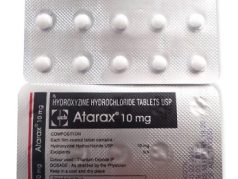
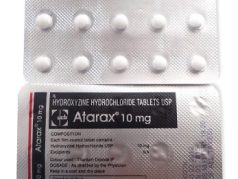
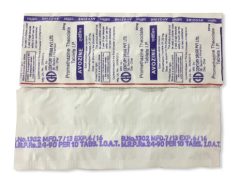
First generation antihistamines are the original antiallergy medications that effectively cross the blood-brain barrier, providing relief from allergic symptoms whilst also affecting the central nervous system. These medications work by blocking H1 histamine receptors but also interact with other receptors, contributing to their sedating properties.
The most notable characteristic of first generation antihistamines is their sedating effect, which can cause drowsiness, reduced concentration, and impaired coordination. This sedation can actually be beneficial for nighttime use or when allergies disrupt sleep, but requires caution during daytime activities.
Several first generation antihistamines are readily available in Australian pharmacies:
These medications typically require dosing every 4-6 hours and should be taken with food to minimise stomach upset. Always avoid driving or operating machinery when taking these medications, and be cautious when combining with alcohol or other sedating substances.
Second generation antihistamines represent a significant advancement in allergy treatment, offering effective relief without the drowsiness commonly associated with older antihistamines. These medications are specifically designed to target histamine receptors whilst minimising central nervous system penetration, resulting in non-sedating properties that make them ideal for daily use.
The improved safety profile and longer duration of action make second generation antihistamines the preferred choice for managing chronic allergic conditions. Most formulations provide 24-hour relief with once-daily dosing, enhancing patient compliance and convenience.
These antihistamines demonstrate exceptional effectiveness for hay fever and seasonal allergies, providing comprehensive symptom relief including sneezing, runny nose, and itchy eyes. Adult dosing typically involves one tablet daily, whilst children's formulations are available in liquid forms with age-appropriate dosing guidelines. Always consult your pharmacist for personalised dosing recommendations based on age, weight, and specific allergic conditions.
Topical antiallergic treatments offer targeted relief by delivering medication directly to affected areas, providing rapid symptom control with minimal systemic absorption. This localised approach ensures maximum therapeutic benefit whilst reducing the risk of side effects commonly associated with oral medications.
Antihistamine eye drops containing active ingredients such as ketotifen or sodium cromoglycate provide immediate relief from itchy, watery eyes. Popular Australian brands include Zaditen and Opticrom, offering fast-acting relief that can be used multiple times daily as needed.
Nasal sprays featuring corticosteroids like beclomethasone or antihistamines such as azelastine effectively manage hay fever symptoms. For allergic dermatitis, topical creams and lotions containing hydrocortisone or antihistamines like dimetindene provide soothing relief from skin irritation and inflammation.
Application methods vary by product type, with eye drops typically used 2-4 times daily, nasal sprays once or twice daily, and skin preparations applied as directed to affected areas. The localised treatment approach ensures rapid onset of action whilst minimising systemic exposure, making these products suitable for long-term management of chronic allergic conditions.
Combination medications that pair antihistamines with decongestants offer comprehensive relief for allergy sufferers experiencing both histamine-mediated symptoms and nasal congestion. These formulations typically combine proven antihistamines like cetirizine, loratadine, or fexofenadine with effective decongestants such as pseudoephedrine or phenylephrine. The dual-action approach addresses multiple symptom pathways simultaneously, making them particularly effective for seasonal allergies, hay fever, and cold symptoms.
Australian pharmacies stock various combination products designed to tackle the full spectrum of allergic rhinitis and upper respiratory symptoms. These medications work by combining the anti-inflammatory effects of antihistamines with the vasoconstricting properties of decongestants, providing relief from sneezing, runny nose, itchy eyes, and nasal congestion in a single dose. Popular combinations include modified-release formulations that provide 12 or 24-hour relief.
In Australia, combination products containing pseudoephedrine require pharmacy supervision due to scheduling restrictions, whilst phenylephrine-based combinations are more readily available. Pseudoephedrine combinations typically offer superior decongestant efficacy but require presentation of identification and recording of purchase details. Phenylephrine alternatives provide convenient access whilst maintaining effective symptom control for most users.
Australian pharmacy regulations mandate that pseudoephedrine-containing products are classified as Schedule 3 medications, requiring pharmacist involvement in the sale and purchase recording. Customers must provide valid identification, and quantities are limited to prevent diversion. These regulations ensure responsible access whilst maintaining therapeutic availability for legitimate allergy sufferers.
Combination antihistamine-decongestant medications are most appropriate for conditions involving both allergic responses and congestion. These include seasonal allergic rhinitis, perennial allergies with nasal obstruction, and certain cold symptoms. They're particularly beneficial during high pollen seasons or when environmental allergens cause comprehensive upper respiratory symptoms.
Combination therapies should generally be used for short-term relief, typically 3-5 days for acute symptoms or as directed by healthcare professionals for seasonal use. Extended use of decongestant components can lead to rebound congestion, making adherence to recommended duration crucial. Morning dosing is often preferred to minimise potential sleep disturbance from stimulant effects.
Selecting appropriate antiallergic medication requires careful consideration of symptom severity, duration of relief needed, lifestyle factors, and individual response patterns. The choice between first and second-generation antihistamines depends on sedation tolerance, whilst the decision for combination products depends on concurrent congestion. Onset time, duration of action, and dosing frequency should align with daily routines and symptom patterns.
Paediatric antiallergic selection requires age-specific formulations and dosing, with many products available in liquid forms for younger children. Weight-based dosing ensures safety and efficacy in growing children. For elderly patients, considerations include reduced sedation risk, minimal anticholinergic effects, and compatibility with existing medical conditions. Second-generation antihistamines are generally preferred for both age groups due to improved safety profiles.
Antiallergic medications can interact with various prescription and over-the-counter drugs. Key interactions include increased sedation with alcohol and central nervous system depressants, potential cardiac effects with certain antibiotics and antifungals, and altered metabolism with some antidepressants. Always inform pharmacists of all medications, including herbal supplements, to ensure safe concurrent use.
During pregnancy and breastfeeding, antiallergic medication selection requires careful risk-benefit assessment. Loratadine and cetirizine are generally considered safer options during pregnancy, whilst chlorpheniramine has extensive historical use data. Topical preparations like nasal sprays and eye drops may be preferred to minimise systemic exposure. Always consult healthcare providers before using any antiallergic medications during pregnancy or whilst breastfeeding.
Professional medical advice should be sought when symptoms persist despite appropriate treatment, when severe reactions occur, or when multiple medications are required. Consultation is essential for chronic conditions requiring long-term management, when symptoms significantly impact quality of life, or when underlying conditions like asthma coexist with allergies. Pharmacists can provide initial guidance and determine when GP referral is appropriate.
Acute allergic reactions typically require fast-acting, short-term treatments focusing on immediate symptom relief. Chronic conditions like perennial allergic rhinitis benefit from consistent, long-term management strategies including daily preventive medications and environmental control measures. Treatment approaches differ significantly, with chronic management emphasising symptom prevention rather than reactive treatment.
Australian healthcare costs for antiallergic medications vary significantly between over-the-counter and PBS-listed options. Many effective antihistamines are available without prescription at competitive prices, whilst some newer formulations or prescription-only medicines may qualify for PBS subsidies. Consider the following cost factors: