Alcoholism, clinically known as Alcohol Use Disorder (AUD), is a chronic medical condition characterised by an inability to control or stop alcohol consumption despite adverse consequences. In Australia, approximately 1 in 6 people drink alcohol at levels that put them at risk of harm, with alcohol dependency affecting individuals across all demographics and socioeconomic backgrounds.
The signs and symptoms of alcohol use disorder vary in severity but commonly include:
The physical effects of chronic alcohol use include liver damage, cardiovascular problems, digestive issues, and increased risk of certain cancers. Psychologically, alcohol dependency often leads to depression, anxiety, memory problems, and impaired cognitive function. Risk factors include genetics, family history, mental health conditions, social environment, and early alcohol exposure.
Professional help should be sought when alcohol use interferes with daily responsibilities, relationships, or physical health, or when attempts to reduce consumption prove unsuccessful.
Medication-assisted treatment represents a clinically proven approach to managing alcohol dependency, working alongside counselling and behavioural therapies. These prescription medications help individuals maintain sobriety by addressing the biological aspects of addiction.
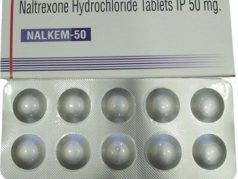
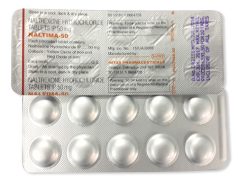
Naltrexone blocks opioid receptors in the brain, reducing the pleasurable effects of alcohol and diminishing cravings. Typically prescribed as a daily 50mg tablet, it's most effective when combined with psychosocial support. Clinical studies show naltrexone can reduce heavy drinking days by 25-30%.
Acamprosate helps restore normal brain chemistry balance after alcohol withdrawal, supporting long-term abstinence maintenance. The standard dosage is 666mg taken three times daily. Research indicates it can significantly improve abstinence rates, particularly in highly motivated patients.
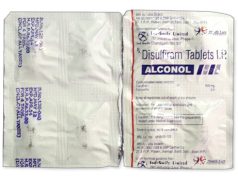
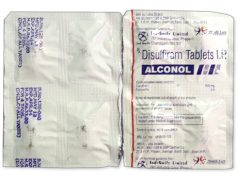
Disulfiram creates an aversion to alcohol by causing unpleasant reactions when alcohol is consumed, including nausea, headache, and flushing. Taken daily at 250mg, it requires strict adherence and medical supervision.
All these medications are available through Australian pharmacies with appropriate prescriptions and demonstrate varying effectiveness rates of 15-30% improvement in treatment outcomes when used as part of comprehensive treatment programmes.
Nutritional support plays a crucial role in alcohol recovery, as chronic alcohol use often depletes essential vitamins and minerals. Thiamine (Vitamin B1) supplementation is particularly vital for preventing Wernicke-Korsakoff syndrome, a serious neurological condition. Australian pharmacies stock various thiamine formulations, including oral tablets and injectable forms for severe deficiencies.
Comprehensive multivitamin complexes help address widespread nutritional deficiencies common in alcohol dependency. Magnesium supplements can effectively reduce withdrawal symptoms such as tremors and anxiety, whilst folic acid supplementation supports healthy red blood cell formation and neurological function.
Additional medications may include anti-anxiety preparations for withdrawal management and sleep aids to address insomnia during recovery. Many nutritional supplements are available over-the-counter, though specific medications require prescription from your GP or specialist. Always consult with healthcare professionals to determine the most appropriate supplementation regime for your individual circumstances and recovery needs.
Alcohol withdrawal syndrome occurs when individuals who have developed physical dependence suddenly reduce or cease alcohol consumption. The severity ranges from mild discomfort to life-threatening complications, making proper medical assessment essential for safe withdrawal management.
Withdrawal symptoms typically follow a predictable pattern:
Healthcare professionals may prescribe benzodiazepines for severe withdrawal symptoms, anti-seizure medications to prevent complications, and blood pressure medications to manage cardiovascular effects. Medical supervision is absolutely essential, particularly for individuals with severe dependence or previous withdrawal complications.
Whilst some people consider home detoxification, medical facility-based withdrawal management provides safer outcomes with 24-hour monitoring and immediate access to emergency interventions when required.
Australia offers comprehensive treatment programmes designed to address the complex nature of alcohol dependency through evidence-based approaches. These programmes are tailored to individual needs, incorporating medical, psychological, and social support elements to maximise recovery outcomes.
Treatment settings vary depending on the severity of alcohol dependency and individual circumstances. Inpatient programmes provide intensive, round-the-clock care in residential facilities, whilst outpatient services allow individuals to maintain daily responsibilities while receiving structured support. Many Australians benefit from a combination of both approaches throughout their recovery journey.
Recovery success is enhanced through various support mechanisms available across Australia:
Long-term recovery maintenance involves ongoing community engagement, with resources including helplines such as the National Alcohol and Other Drug Hotline (1800 250 015), local community health centres, and specialised addiction counselling services available throughout Australia.
Alcohol dependency medications require careful monitoring and adherence to safety protocols to ensure effective and safe treatment outcomes. Understanding potential risks and interactions is crucial for successful recovery management.
Alcohol dependency treatments can interact with various medications, including antidepressants, sedatives, and pain medications. It's essential to inform healthcare providers about all medications, supplements, and herbal remedies being taken. Some medications may amplify side effects or reduce treatment effectiveness when combined with alcohol dependency treatments.
Several factors require careful attention during treatment:
Common side effects may include nausea, drowsiness, and digestive upset. Contact your healthcare provider immediately if experiencing severe reactions, persistent vomiting, chest pain, or significant mood changes. Emergency medical attention should be sought for symptoms of allergic reactions or severe adverse effects.